
The job market isn’t what it used to be, and new dangers lurk for candidates around every corner of 2026-10-13 06:13:44 Author: hackernoon.com(查看原文) 阅读量:8 收藏
The job market isn’t what it used to be, and new dangers lurk for candidates around every corner of the Internet... even on the most populated ones, like LinkedIn or Indeed. If you’re a professional inside the crypto space, this may be even worse. Recruitment crypto scams are booming right now, unfortunately. It’s necessary, then, to learn the scammers' tactics and the signs that could give them away.
It's no longer as simple as checking their vocabulary or grammar, as AI allows them to create almost perfect (but fake) job offers. Some even go so far as
Common Recruitment Crypto Scams
Everything may start with a random message landing in your inbox, via WhatsApp, Telegram, text, or social media like LinkedIn or Facebook. A purported recruiter says they found your CV interesting and offers you a position that seems suspiciously suitable. They might even mention how your particular professional skills are needed at some mysterious company. From here, several things can happen.
First, they might ask you for some kind of payment in cryptocurrency for training, administrative expenses, visas, or any other excuse. If they don't ask for payment upfront, they might invite you to an interview or directly to join their team platform. In either case, you'll have to download this software, which you've never heard of. Even if they offer you an online link, at the time of the interview, the software will malfunction and prompt you to download it.
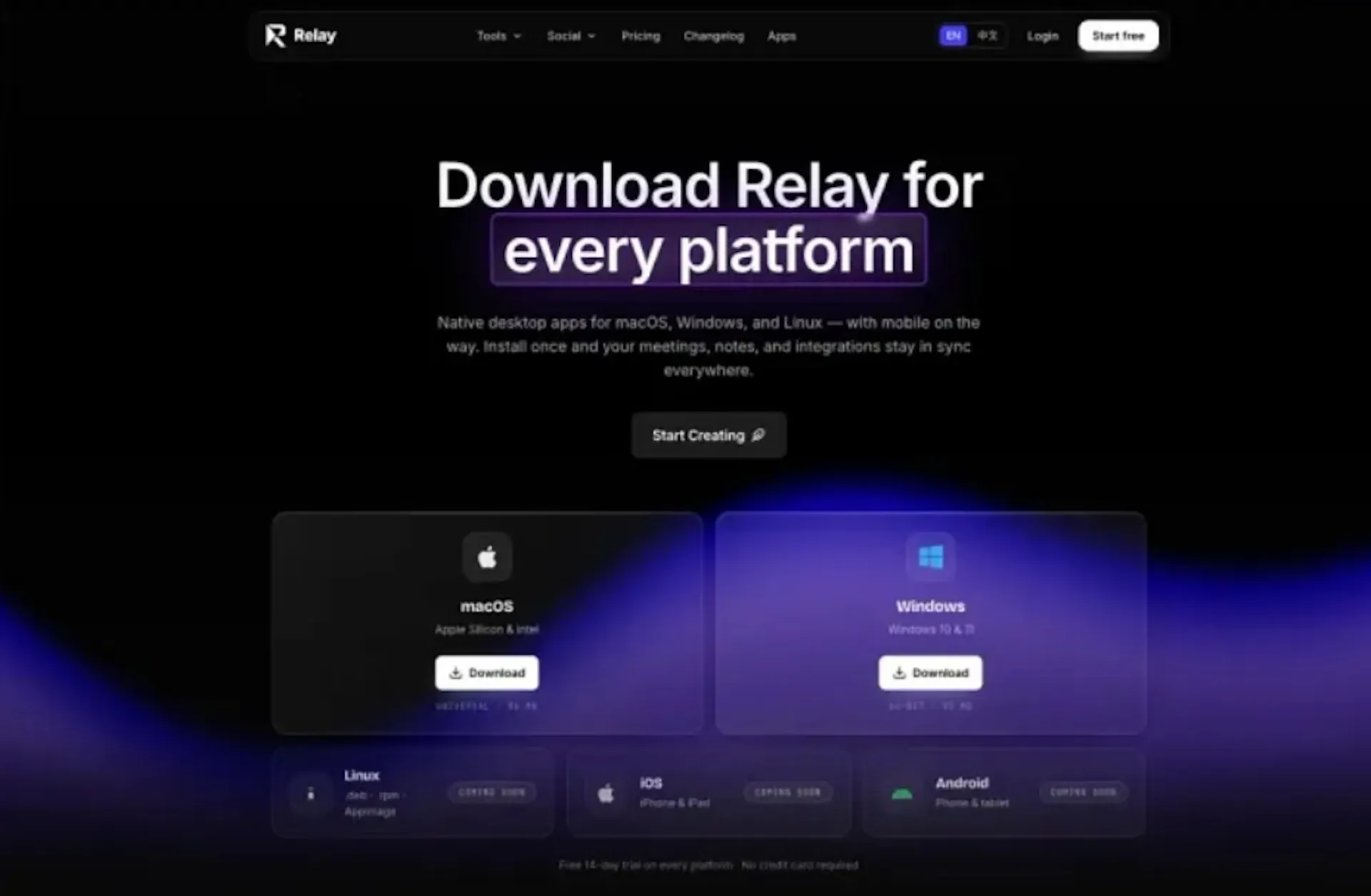 Relay, one of the malicious platforms in recruitment crypto scams. Image by SlowMist
That’s the trick in the recruitment crypto scam. If you send crypto, you’ll never see it again. If you download the software, you’ll realize it's actually malware when it’s too late.
Another tactic involves perfectly written fake offers posted on sites like LinkedIn or Indeed. These can be roles for highly specialized professionals or, on the contrary, extremely easy online tasks to do from home. Their setup can look polished, complete with a website, training, a customer-service chat, and a dashboard showing your supposed earnings.
After completing a few tasks, you may be told to deposit cryptocurrency to unlock more work, increase your commission, or withdraw your payment.
Always DYOR
Doing Your Own Research (
Look closely at the recruiter's email address and website domain, too. A fake site may differ from the genuine one by a tiny spelling change, while a scammer may use a personal email account while claiming to represent a large company. On a WHOIS domain checker, you can see if the website is too new and created by an anonymous party (another red flag).
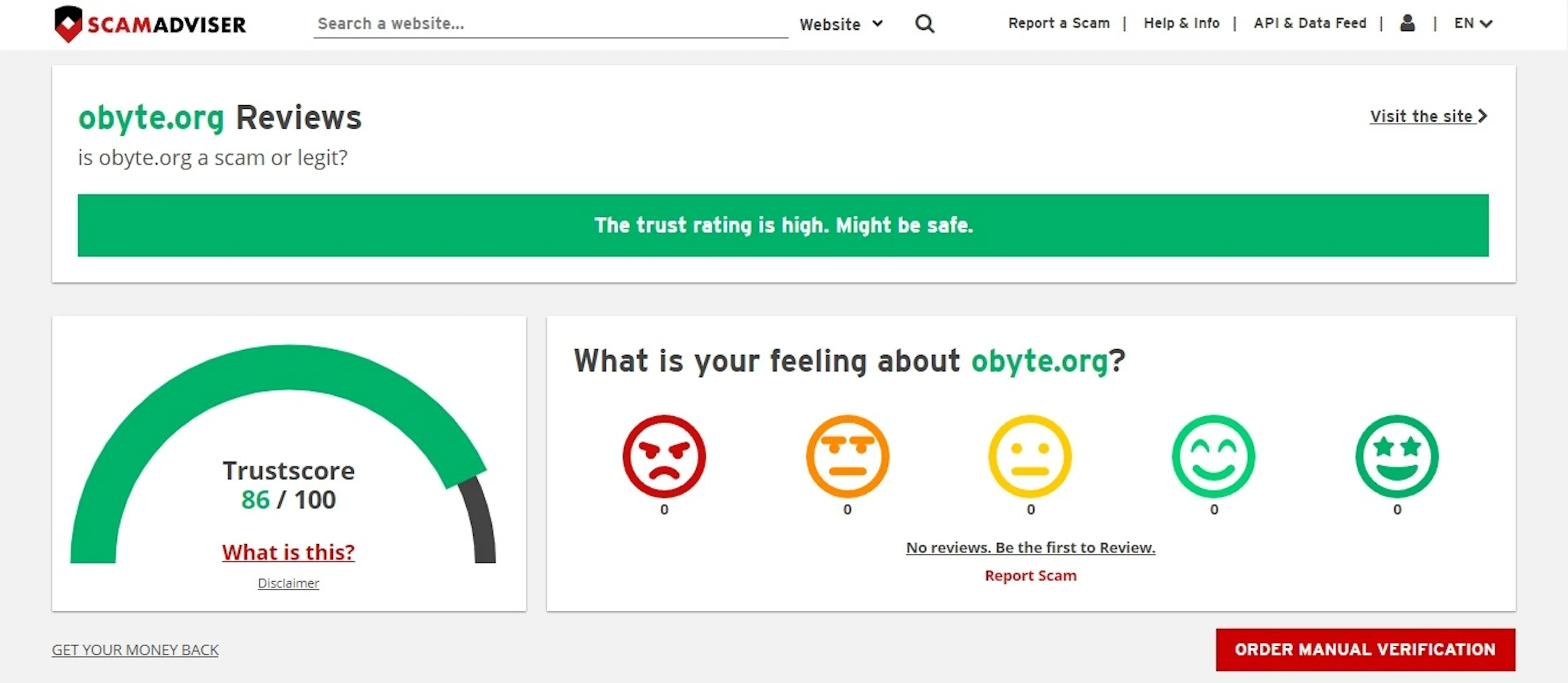
Search for the company and recruiter alongside words such as “scam,” “complaint,” or “review.” Sites like Trustpilot or ScamAdviser can be helpful to check reputation and potential complaints. Stopping crypto recruitment scams and malicious websites can be as simple as this.
Most importantly, never send cryptocurrency to an employer as a condition of getting paid. Don’t pay a deposit to unlock tasks, cover a supposed negative balance, or pay a fee to withdraw your salary. If someone says you must pay money before you can earn money, the “job” has taken a very wrong turn.
And never, ever, share your
如有侵权请联系:admin#unsafe.sh