
You might think that trading cryptocurrencies must necessarily involve the use of exchange platforms 2026-10-8 21:20:11 Author: hackernoon.com(查看原文) 阅读量:3 收藏
You might think that trading cryptocurrencies must necessarily involve the use of exchange platforms, right? If you want to buy or sell X coin, you must find a company that handles it and accepts your payment method. Well, this is usually the easier option for beginners, but it’s not the only one. Instead of keeping every transfer outside your hands, peer-to-peer (P2P) crypto transfers offer a more direct way to move digital money between wallets.
That’s the raison d'etre of cryptocurrencies, actually. Bitcoin is called, in its whitepaper, “A Peer-to-Peer Electronic Cash System,” and it has good reasons for it. Depending on a company, institution, or government to store and move your funds isn’t always a good idea. Let’s explore this topic a bit more.
How P2P Crypto Transfers Work
A peer-to-peer crypto transfer happens when one
Depending on the crypto network and token, that transaction could be public or private, but no one but the involved parties has control over it. No exchange has to hold the coins during the transfer, and no employee needs to approve it. Just like Bitcoin described, it’s an electronic cash system: the funds go directly from one person to another, without middlemen —well, only miners and “validators,” again, depending on the network.
got rid of both of these figures, and users add their own transactions directly.
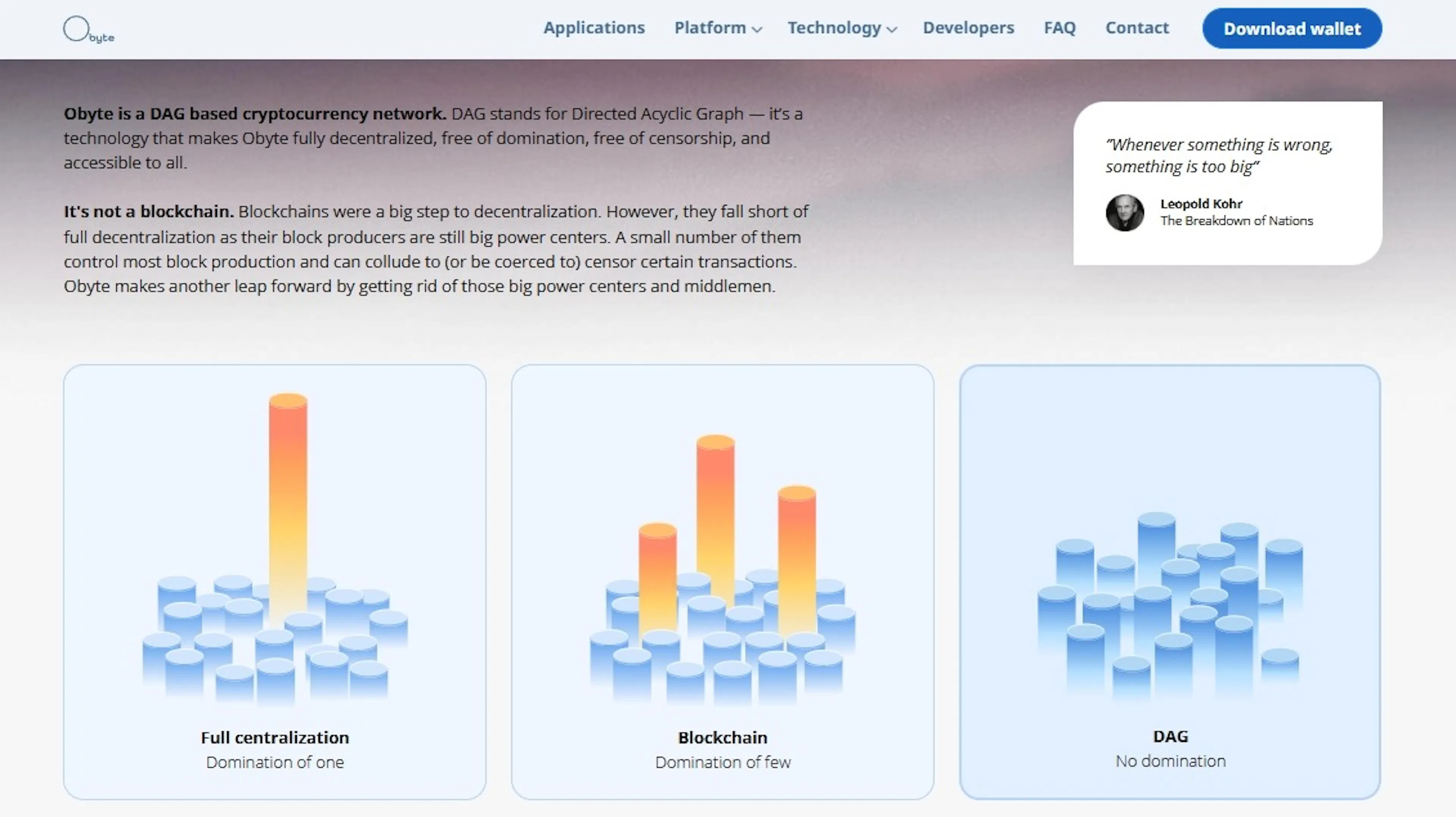
It’s the simplest and most intrinsic function of decentralized assets: the ability to move from one wallet to another without any bank being able to intervene in any way.
Of course, security might be a concern, since you can’t just trade with any stranger. That’s why some people also use “P2P marketplaces” when buying or selling crypto. These platforms match buyers and sellers while offering an
There’s another option for P2P crypto transfers:
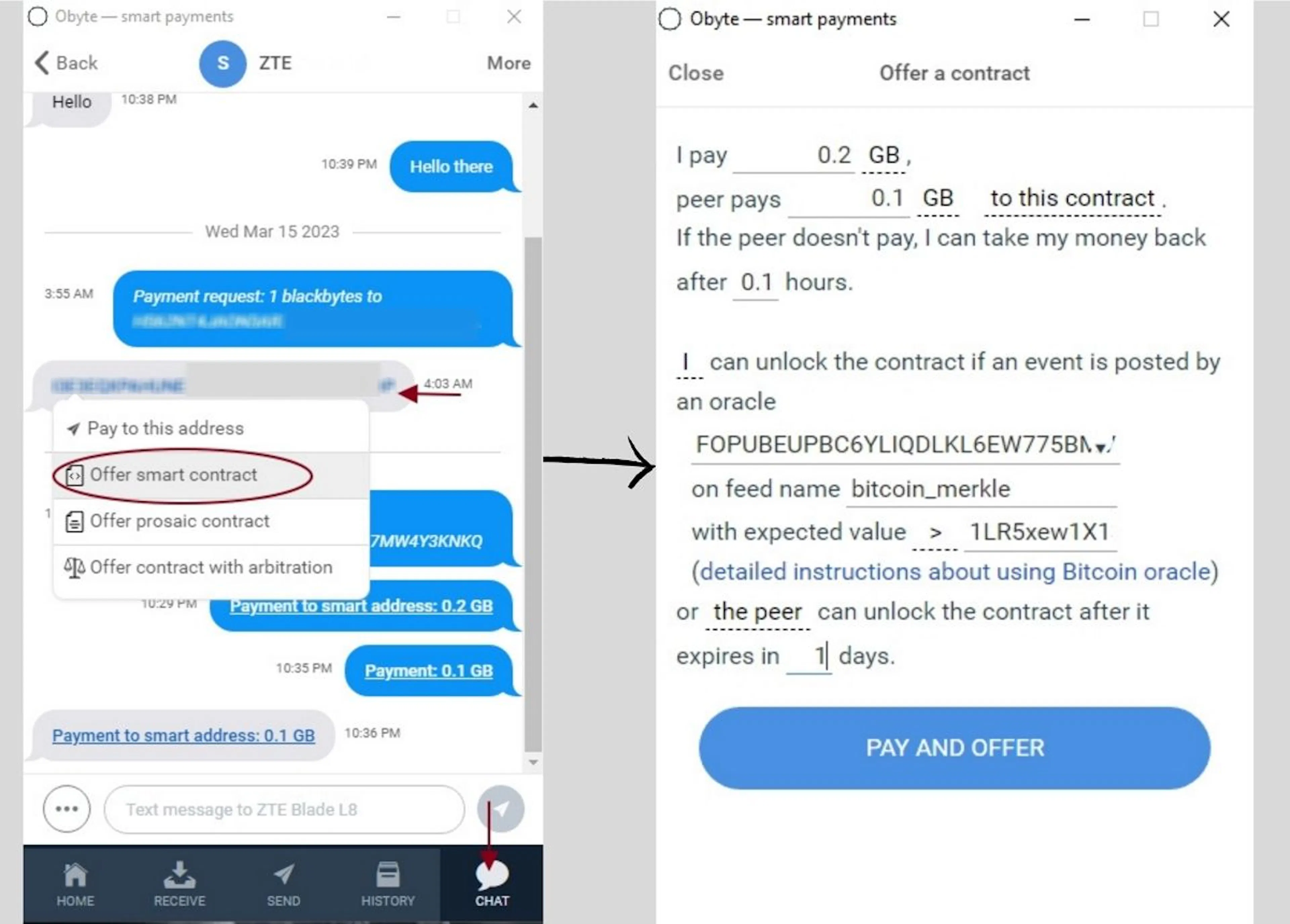
Whenever possible, contracts work best without disputes or outside intervention. However, most real-world agreements involve situations that on-chain data alone can’t verify, leaving no alternative to human judgment when disagreements arise. In those cases, you can include a professional arbiter in your contract, who only intervenes if needed to help reach an impartial resolution. Our
When Peer-to-Peer Crypto Transfers Can Be the Better Choice
One advantage of peer-to-peer crypto transfers is control. Since the funds stay in a personal wallet, the owner decides when and where to send them. There’s no need to wait for an exchange to process a withdrawal or wonder whether maintenance will delay access to funds. Or if a
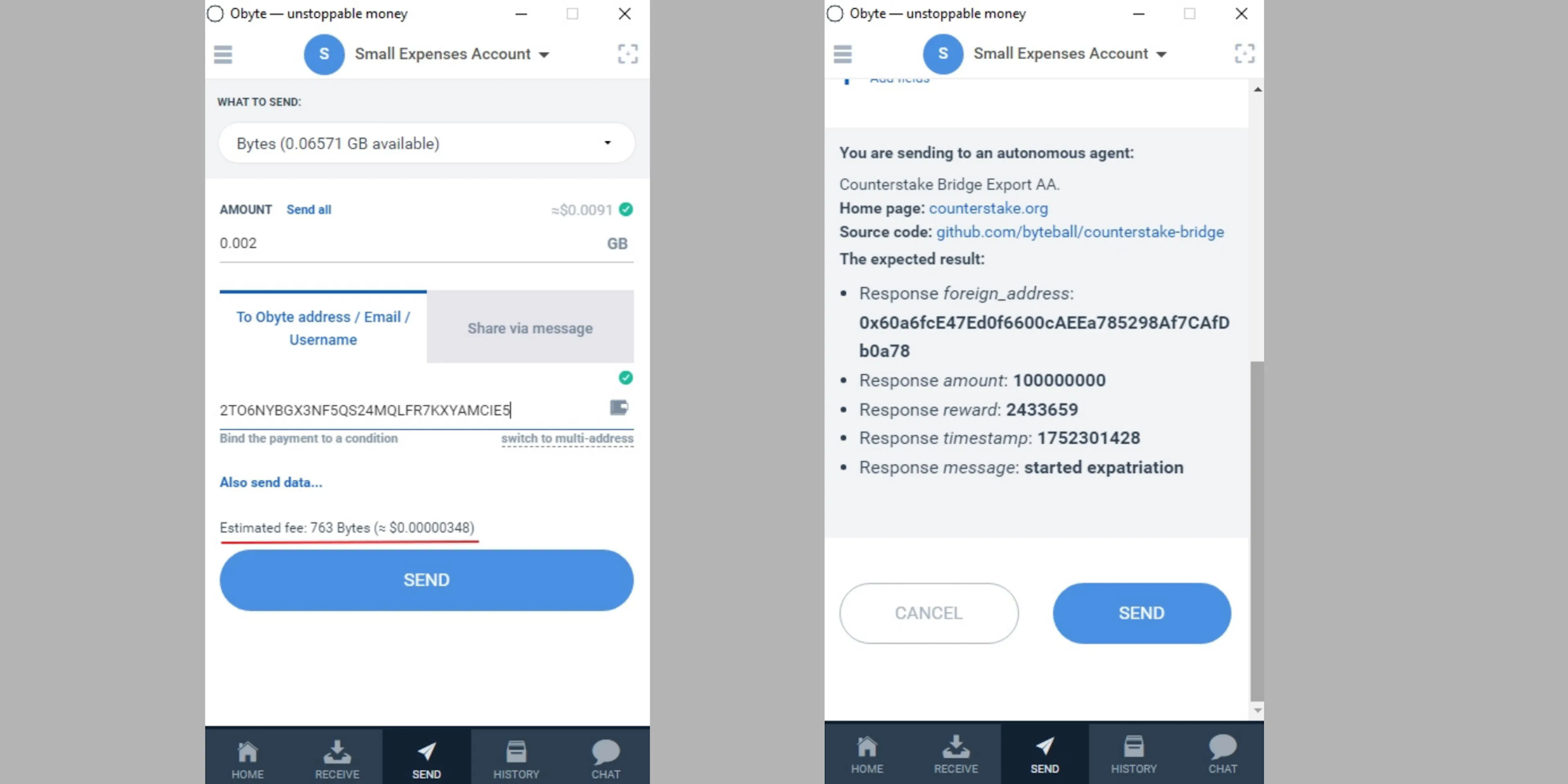
Costs can also work in the user's favor. Many networks charge only a small network fee, which may be lower than the combined trading and withdrawal fees charged by some exchanges. The amount depends on the network used and the time at which that network is used, so checking fees before sending remains a good habit. The Obyte wallet, for instance, will let you check fees and potential results of every transaction before sending.
Marketplaces like Binance P2P, Bisq, and Hodl Hodl can offer more payment methods as well. Depending on the country, people may pay with bank transfers, local payment apps, or cash. That flexibility helps users in places where large exchanges have limited services or fewer payment options.
But remember that good and basic security habits still matter. Double-check every wallet address before sending funds because crypto transactions
Store the wallet recovery phrase (seed phrase or
如有侵权请联系:admin#unsafe.sh