
So, you’ve noticed a lot of people in Ukraine speaking Russian and you’re wondering, "What’s the dea 2026-10-3 14:57:56 Author: hackernoon.com(查看原文) 阅读量:8 收藏
So, you’ve noticed a lot of people in Ukraine speaking Russian and you’re wondering, "What’s the deal?"
It’s a fair question, but let’s stop treating it like some natural, organic cultural evolution. It isn't. It’s more like asking why someone might develop a limp after being hit in the legs with a hammer 134 times.
Yes, 134.
That is the number of recorded attempts by the Russian Empire, the Soviet Union, and their various incarnations to either outright ban, suppress, or systematically marginalize the Ukrainian language.
When people tell you that certain regions of Ukraine are "naturally" Russian-speaking, they are parroting the result of a centuries-long, state-sponsored campaign of linguicide. To call it "natural" is like saying a forest fire is a "natural way to redecorate the landscape."
Lets start with 1627(400 years from now, dude! you can do a parallel with establishment of UK`s Royal Navy, which is older that 400 years now)
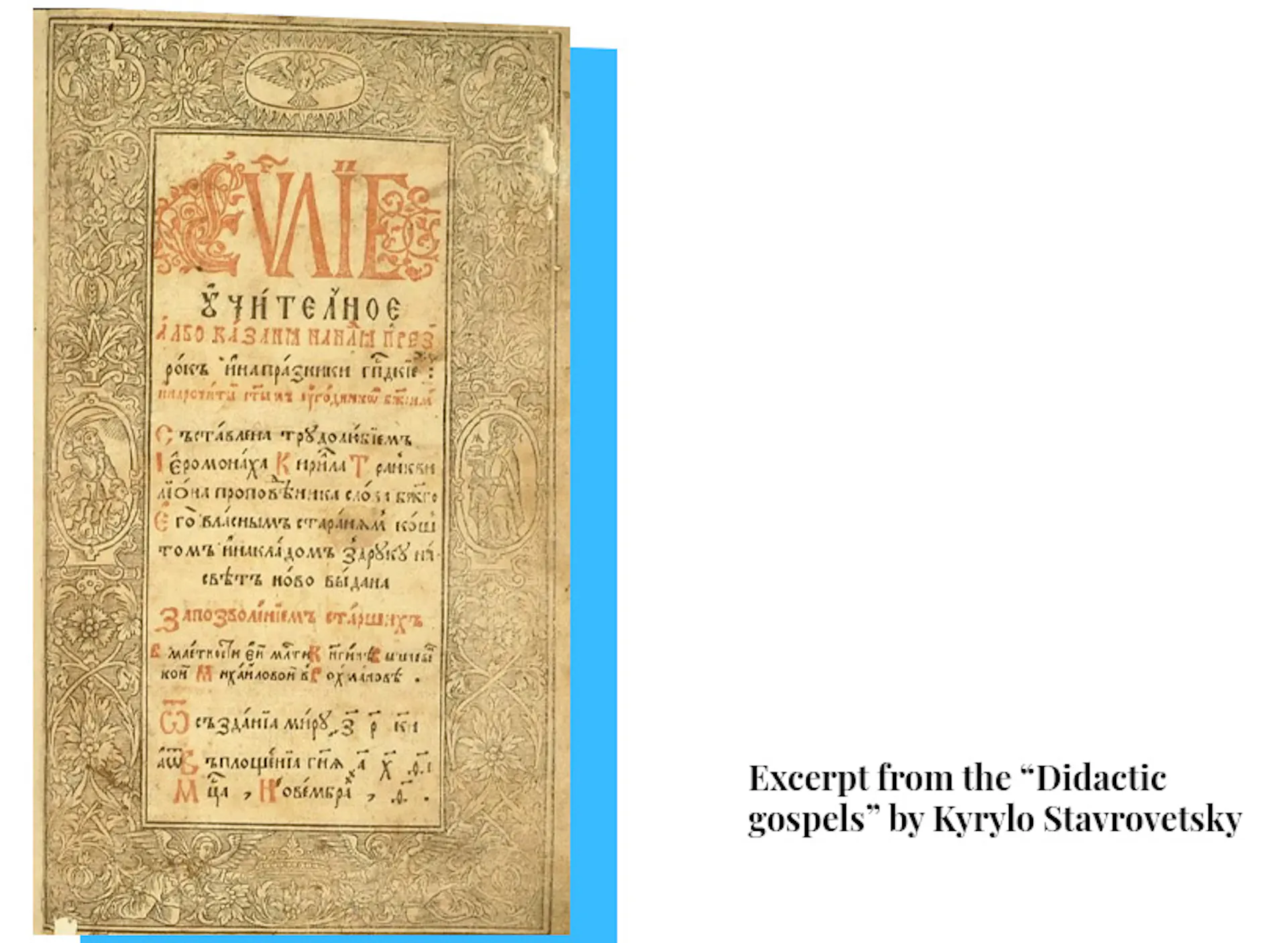
Decree of Tsar Michael on a petition of the Moscow Patriarch Filaret to seize and burn at the stake all copies printed in Ukraine of the “Didactic gospels” by Kyrylo Stavrovetsky on charges of heresy. With this order, the Tsar forbade purchasing or possessing any books of “Lithuanian print” under the threat of public corporal punishment and patriarchal curse.
A Masterclass in Trying (and Failing) to Kill a Language
If you think this ancient history that doesn't matter, look at the sheer dedication it took to keep the Ukrainian language alive despite its neighbors trying to erase it from existence.
Consider this highlights reel of imperial insecurity:
- 1720: Tsar Peter I decides he’s allergic to Ukrainian books and bans them. Apparently, printed words in Ukrainian were just too threatening to his fragile empire.
- 1753: Catherine II effectively says, "No education for you," and prohibits teaching in Ukrainian. Because nothing screams "civilized empire" like preventing children from learning in their native tongue.
- 1889: At an archaeological congress in Kyiv—in the capital of Ukraine—they decide the language of the land is not allowed to be used. You literally couldn’t make this kind of absurdity up.
- 1938: The Soviets make Russian mandatory across all of Ukraine. It was a classic "join or suffer" tactic, designed to ensure that the only way to climb the social or professional ladder was to abandon your roots.
Throughout this, the goal was simple: turn Ukrainians into, well, not-Ukrainians. They burned, they banned, they deported (including entire families), and they shot the intellectuals who dared to write in their own language.
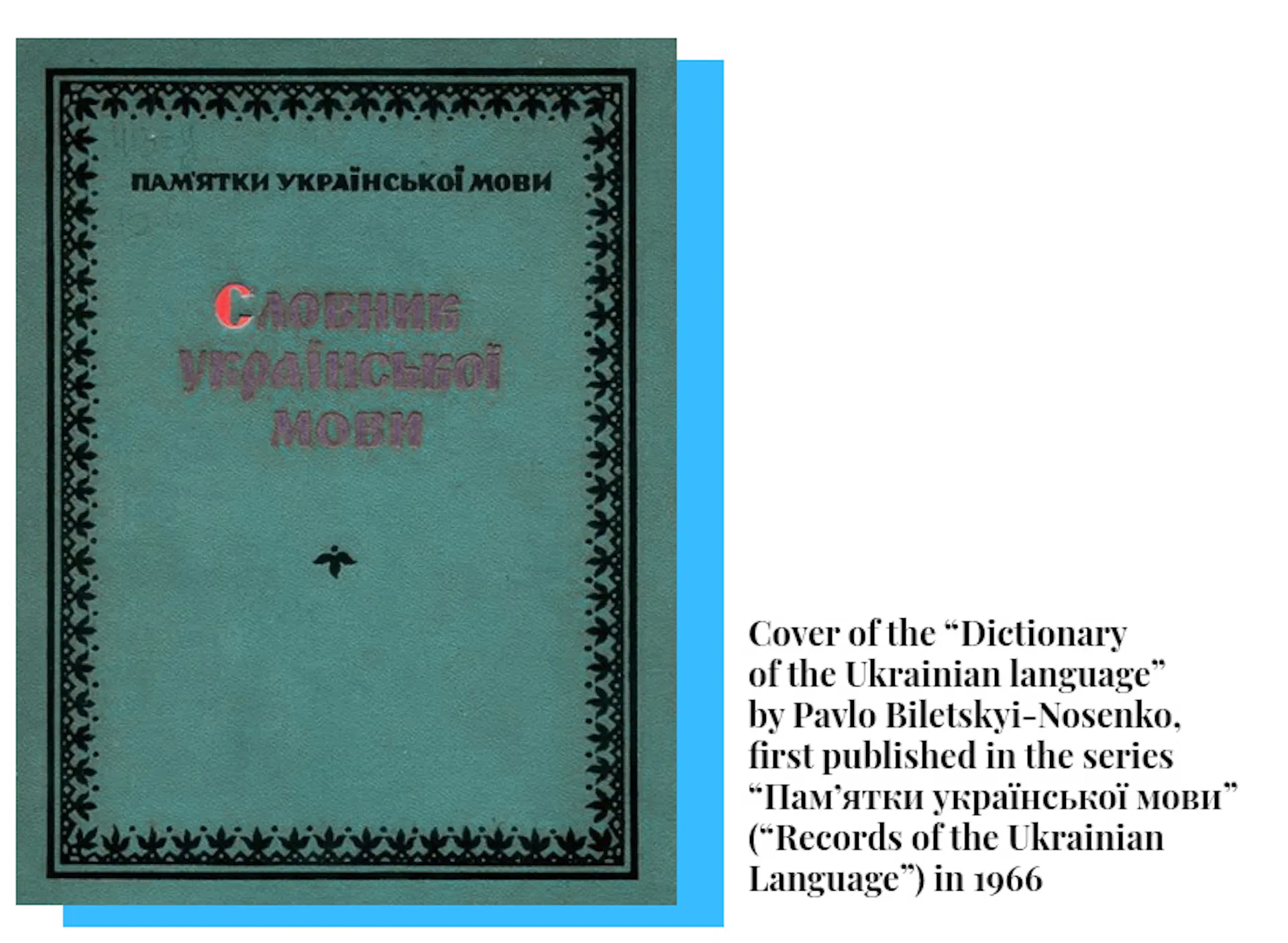
This book was “lost” by rus
The Myth of the "Russian-Speaking" Region
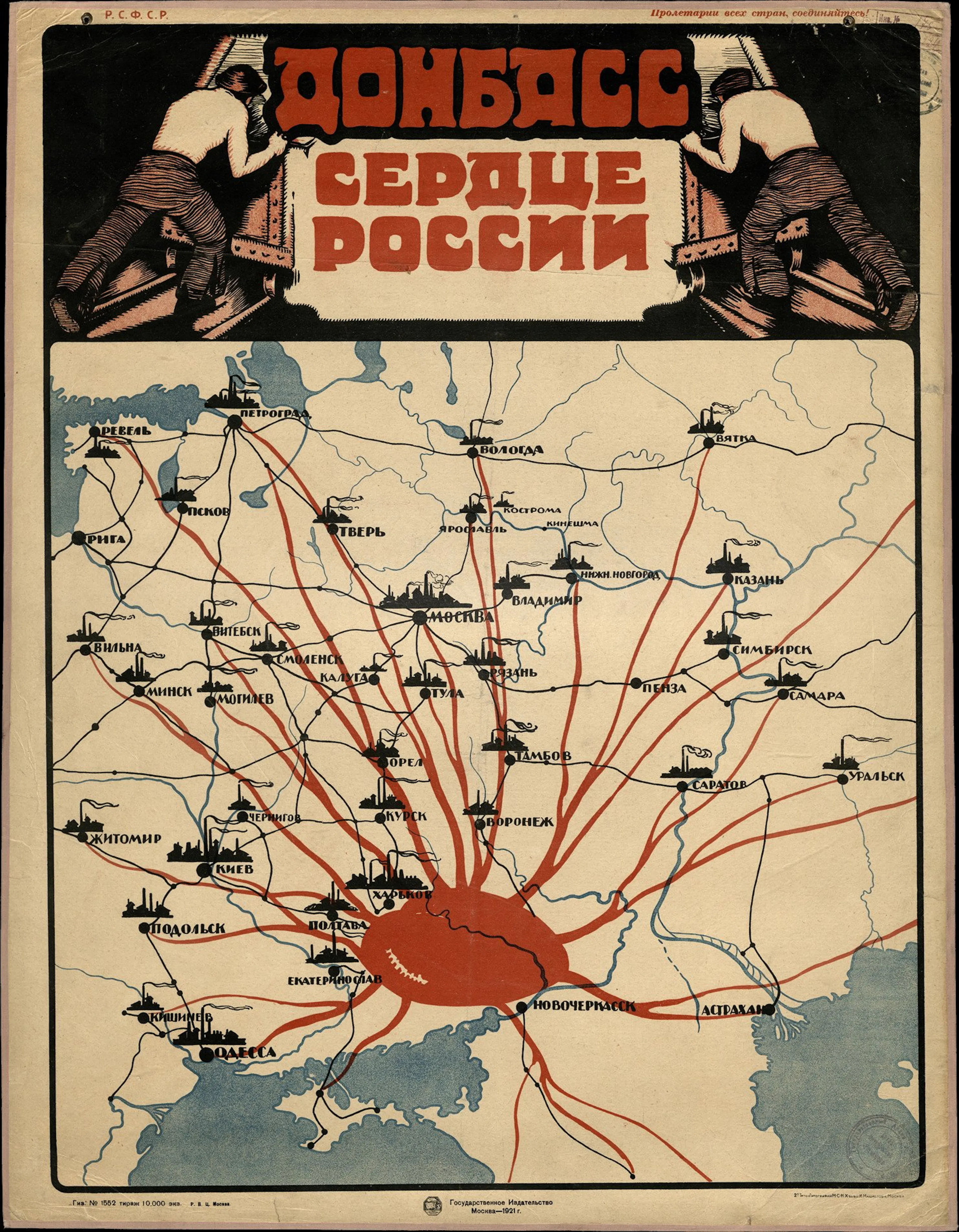
If you look at maps from the 1897 Russian Empire census—which asked people what language they spoke at home—the areas where Ukrainian was the primary language extended deep into what is now recognized as Russian and Belarusian territory.
So, how did we get from there to the narrative of "Russian-speaking regions"? It wasn't through a friendly cultural exchange program. It was through physical removal, forced migration, and the systematic destruction of Ukrainian schools and institutions.
Why This Actually Matters (And Why It’s Not Just About Words)
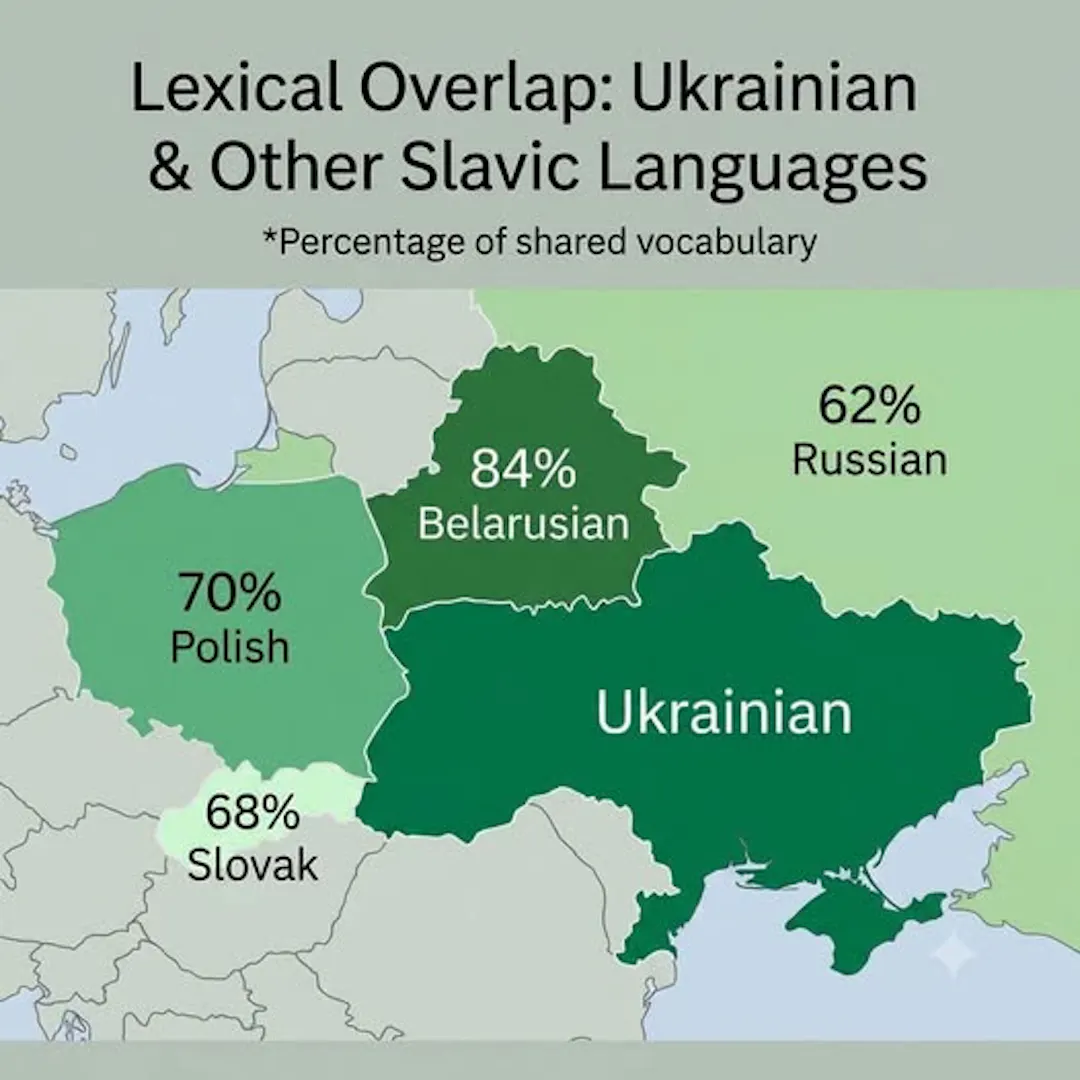
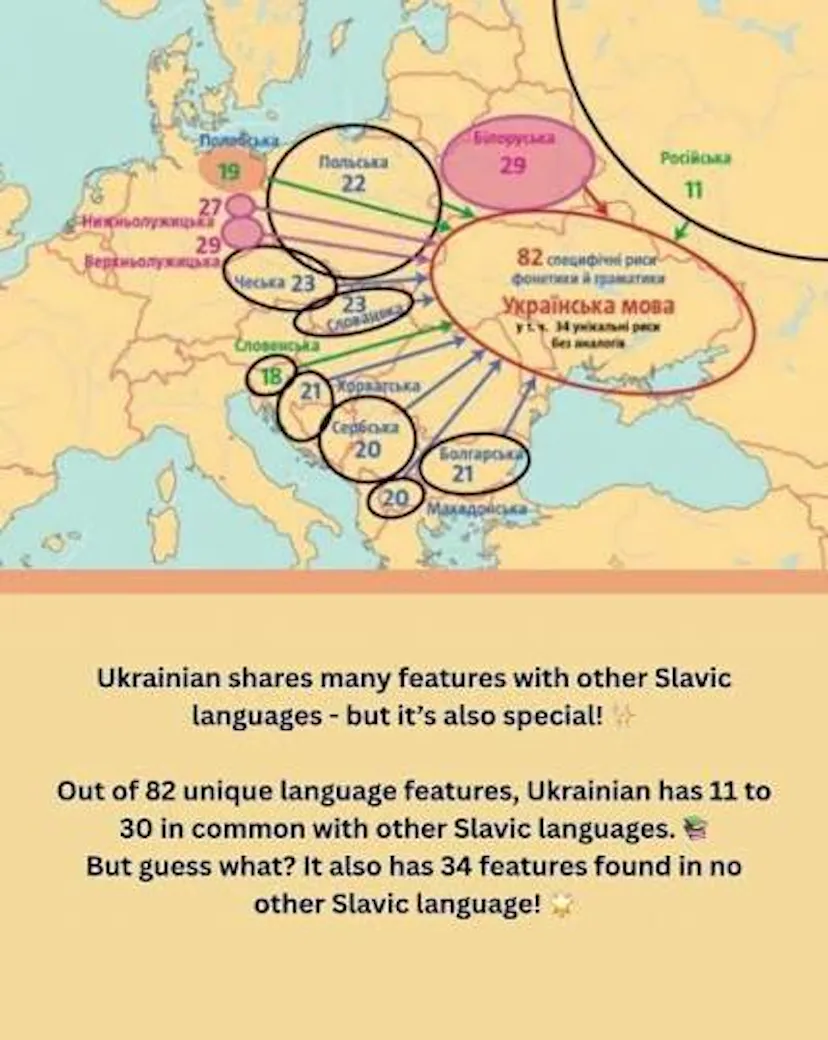
Here is a fun fact for the history buffs: Ukrainian is actually linguistically distinct from Russian. They are both Slavic, sure, but they have different roots. Linguists have noted that in terms of pure vocabulary, Ukrainian is actually much closer to Belarusian and Polish than it is to Russian.
The insistence that these languages are just "dialects" or that Ukrainian is "just rural Russian" is a political tool designed to delegitimize Ukrainian identity. It’s a way of saying, "You don't exist, and if you do, it doesn't matter."
The Ultimate Plot Twist: We’re Still Here
The punchline to this centuries-long joke of an imperial policy is this: They failed.
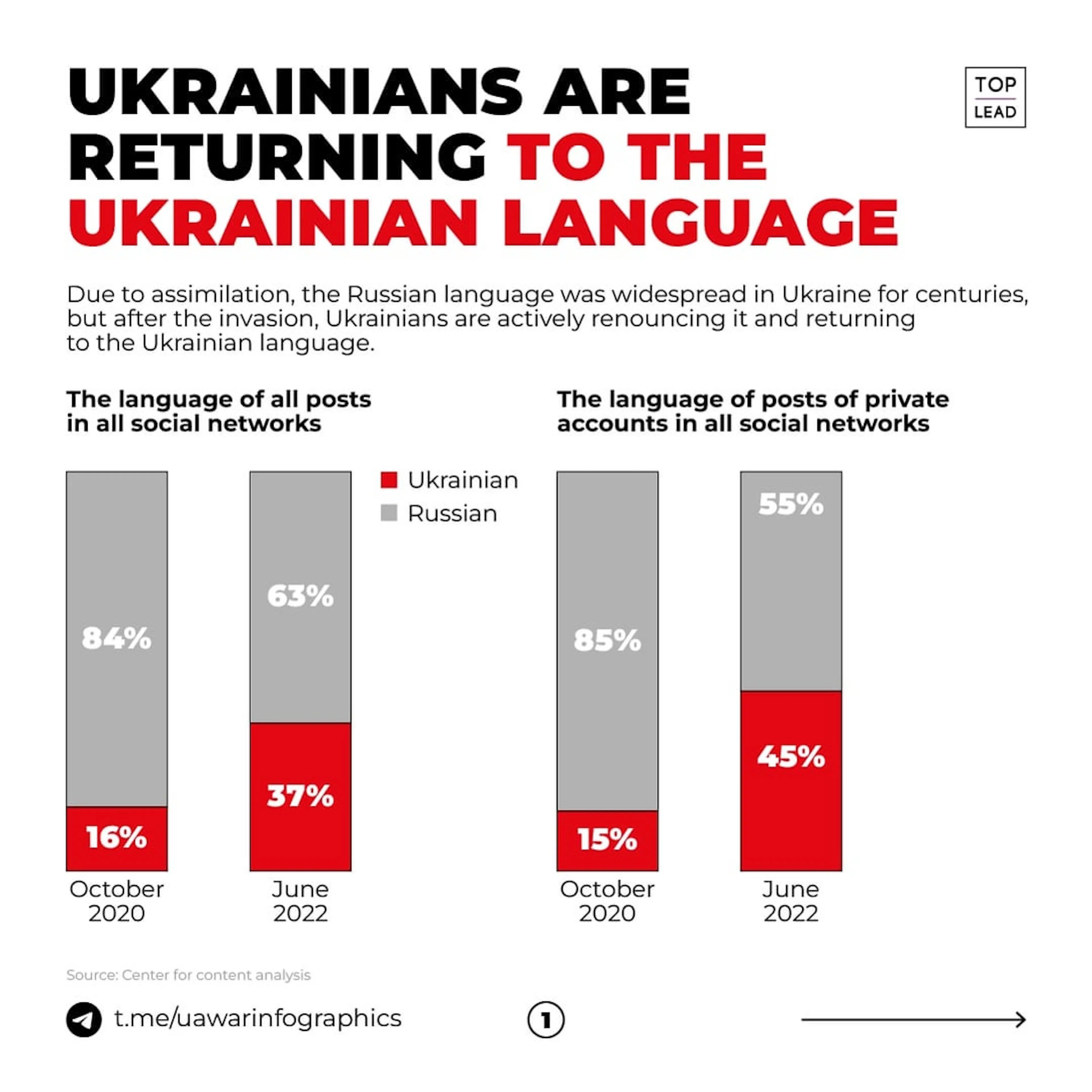
Ukrainian didn't just survive; it thrived in secret, in kitchens, in songs, and in the sheer stubbornness of generations of people who refused to let their language be erased. Every person speaking Ukrainian today is a testament to the resilience of a culture that refused to be bullied out of existence.
So, next time someone tries to tell you that the prevalence of Russian in some parts of Ukraine is a "natural" phenomenon, remember the 134 bans. Remember the deportations. And then, remember that despite all that effort, the language is still here, loud and proud, and it isn't going anywhere.
Ukrainian is not “Russian with a village accent”—although empires have spent centuries trying to market that insult as linguistics. It is a distinct East Slavic language with its own sound system, grammar, vocabulary, and literary tradition.
Its musical qualities are especially recognizable: the frequent use of the sounds і, и, ї, and є, the melodic rhythm of its speech, and words that reflect centuries of contact with neighboring peoples, including Polish, Belarusian, Slovak, and other Central and Eastern European cultures.
Ukrainian also preserves vocabulary and grammatical features that connect it closely with Belarusian and other Slavic languages, while clearly separating it from Russian. Related does not mean identical—Spanish and Italian are related too, but nobody seriously proposes merging them because they both order pasta.
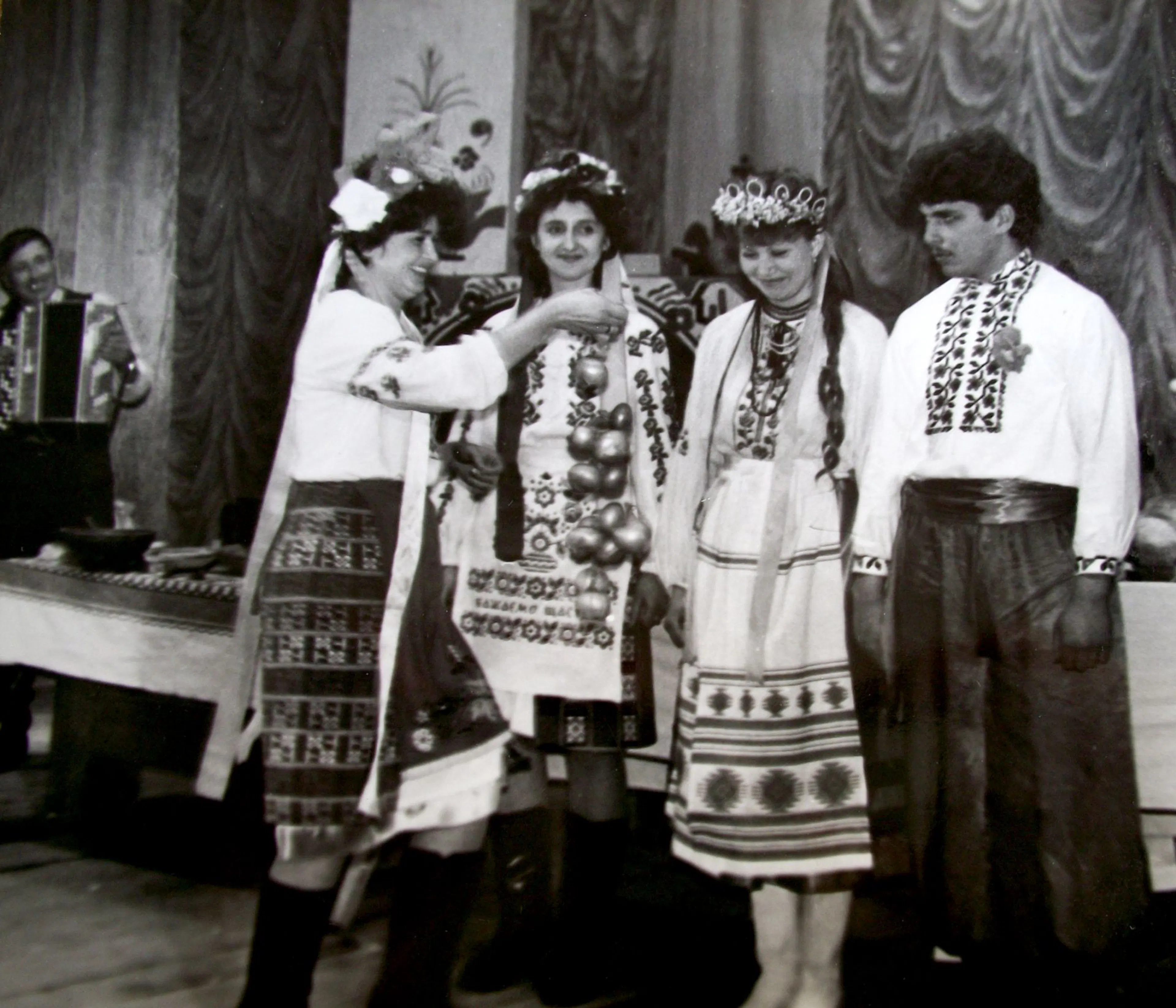
The language’s uniqueness is inseparable from the folklore carried inside it. Ukrainian folk songs are not merely decorative background music for a village festival; they are an unofficial historical archive. The dumy—epic ballads traditionally performed by wandering kobzars—told stories of Cossack warriors, captivity, sacrifice, and the defense of freedom. In many villages, songs preserved memories that governments attempted to erase from textbooks.
A lullaby, a wedding song, or a harvest chant could carry history from one generation to the next when publishing in Ukrainian was restricted and public speech was policed. The empire could confiscate books, but confiscating every grandmother was apparently beyond its administrative capacity.
Even the world-famous melody “Carol of the Bells” began as the Ukrainian song Shchedryk, composed by Mykola Leontovych from an older Ukrainian seasonal chant. Its original lyrics describe a swallow announcing prosperity and the arrival of spring—not bells, snow, or a convenient Christmas commercial.
Hackernoon`s Embed didnt work, so feel free to click and watch it on youtube
That transformation is a fitting metaphor for Ukrainian culture itself: pressured, adapted, and repeatedly repackaged by others, yet still unmistakably alive at its core. Ukrainian survived in songs, embroidery, legends, prayers, family names, and spoken memories. Every modern speaker continues that folklore—not as a museum exhibit, but as proof that a language can be attacked, censored, and ridiculed, yet refuse to disappear.
 Файл:Discrimination of Ukrainian language.jpg
Source file for the map that you can zoom in
Used sources:
-
“Chronology of Ukrainian language suppression actions.” Wikipedia.
https://en.wikipedia.org/wiki/Chronology_of_Ukrainian_language_suppression_actions
List of decrees, bans, restrictions, and other measures against the Ukrainian language. -
“How Russia Tried to Erase the Ukrainian Language, But Failed.” UNITED24 Media.
https://united24media.com/culture/how-russia-tried-to-erase-the-ukrainian-language-but-failed-8
An article that will give you a historical context of Russification and the suppression of Ukrainian cultural identity. -
“The Battle for Ukrainian: An Introduction.” Harvard Ukrainian Studies.
https://husj.harvard.edu/articles/the-battle-for-ukrainian-an-introduction
More on the political and cultural struggle surrounding the Ukrainian language, including imperial restrictions. -
“Oppression and Eradication: The Linguicide of Ukrainian.” UkraineWorld.
https://ukraineworld.org/en/articles/basics/linguicide-ukrainian-russia
Building a picture around the term linguistic suppression—or “linguicide”—and examples of attempts to marginalize Ukrainian. -
“A Guide to the History of Oppression of the Ukrainian Language.” Chytomo.
https://chytomo.com/en/a-guide-to-the-history-of-the-oppression-of-the-ukrainian-language/
here some more historical examples involving censorship, religious institutions, education, and Ukrainian publishing. -
“Ukrainian Language—Facts and Uniqueness.” UkraineWorld.
https://ukraineworld.org/en/articles/basics/ukrainian-language
List of general facts about the development, survival, and linguistic characteristics of Ukrainian. -
“Ukrainian and Russian Languages.” Ukrainian Lessons.
https://www.ukrainianlessons.com/ukrainian-and-russian-languages/
Lets compare two languages a bit and find differences between Ukrainian and Russian and Ukrainian language relationships with other Slavic languages. -
“Ukrainian Language.” Wikipedia.
https://en.wikipedia.org/wiki/Ukrainian_language
Read it if you need a general linguistic background, including Ukrainian’s classification as an East Slavic language and its relationship to Belarusian and Russian languages
如有侵权请联系:admin#unsafe.sh