For the last thirty years, the software industry has been asking variations of the same question.Wh 2026-8-13 04:21:50 Author: hackernoon.com(查看原文) 阅读量:4 收藏
For the last thirty years, the software industry has been asking variations of the same question.
Who will build the next Salesforce? Who will dominate accounting software? Who will own project management, customer support, design, analytics, HR, marketing automation, and the hundreds of other categories businesses subscribe to?
They were logical questions because software was expensive to build.
A company could spend years developing a product, then distribute essentially the same product to thousands of customers. The customer paid a monthly fee because building an alternative would have been ridiculous. The software company owned the code, the customer rented access, and everyone accepted that this was how software worked. I’m beginning to think that assumption is breaking down.
The more I watch what is happening with AI coding tools, autonomous agents, vibe coding, and dynamically generated applications, the more convinced I become that the defining question won’t be which software company owns each category. It will be a question of whether we need the software to exist for very long at all. In other words, software is becoming disposable, just like everything else in our lives.
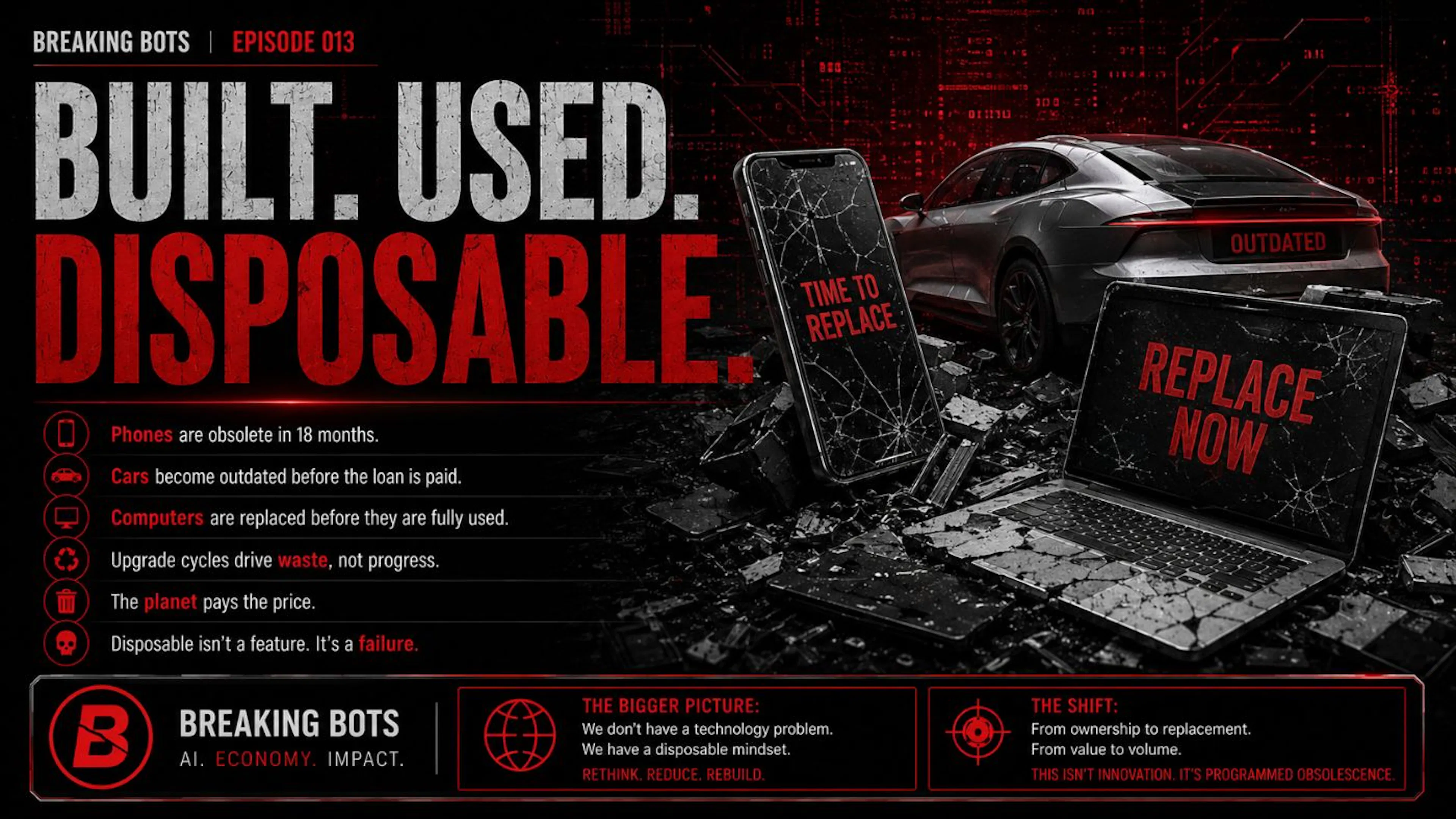
We Keep Talking About Better SaaS While Companies Are Starting to Replace It
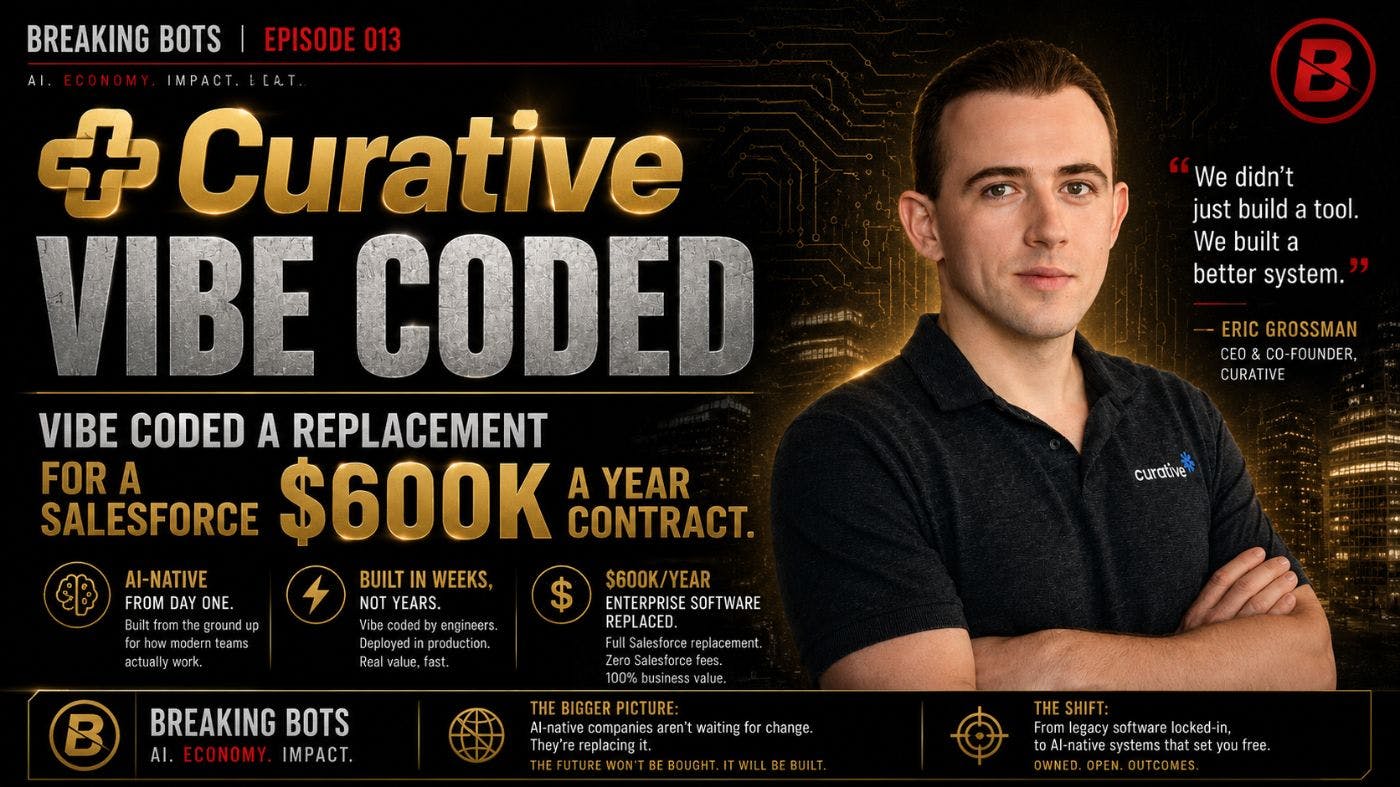
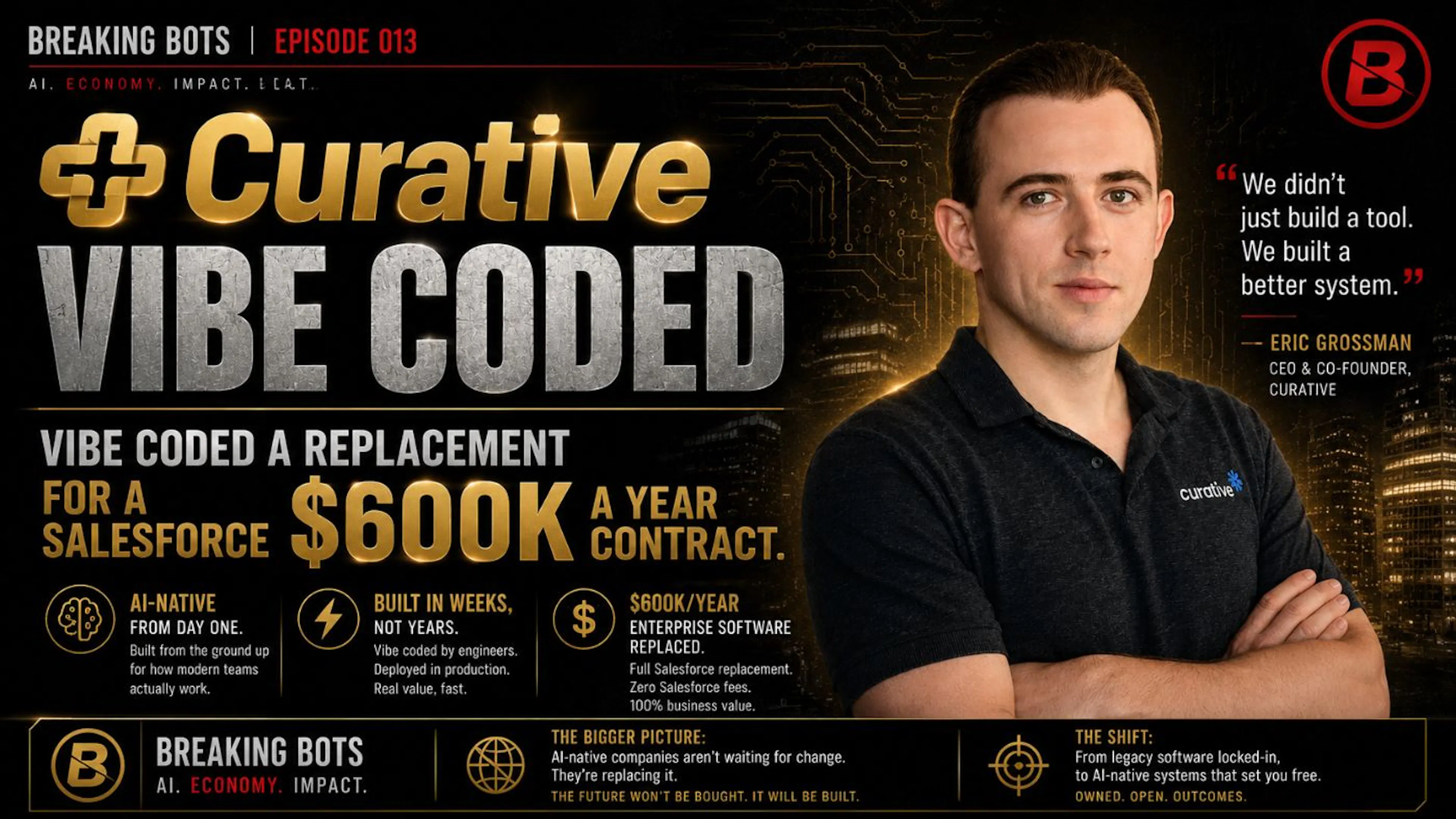
One of the more interesting examples came from Curative.
Its CEO, Fred Turner, said the company had cancelled a Salesforce contract costing approximately $600,000 per year after building an internal CRM using AI-assisted development. According to Turner, the replacement took about two months, and Curative intends to reduce its overall SaaS spending by roughly 80% while increasing its investment in AI. He also admitted that maintaining the internal system remains one of the harder parts. (Business Insider)
That last point is important, and I’ll come back to it.
But first, think about how strange the first part of that story would have sounded only a few years ago. A healthcare company replaced a major enterprise CRM, not by purchasing a cheaper competitor, but by generating something around its own requirements. You’d have been laughed off the stage if you had even suggested that.
Curative is not the only business testing this idea. Small and mid-sized companies are increasingly using AI tools to create their own CRM systems because they want more control, more relevant functionality, and potentially lower costs. (The Wall Street Journal)
One company cancelling one contract does not mean Salesforce disappears tomorrow. It means the seal has been broken, and the seeds planted. Suddenly, building your own software is no longer automatically dismissed as an absurd idea.
SaaS Was Built for a World Where Software Was Scarce
The SaaS model solved a very real problem as all good sectors do. Software development required specialist teams, long timelines, expensive infrastructure, ongoing maintenance, and considerable risk. Most companies could not justify building every tool they needed, and let’s face it, we want to concentrate on what we are good at and outsource the rest.
So vendors built one large product and sold access to everyone, which wasn’t ideal, because the vendor decided how the software worked, and the customer changed its processes to fit the software. Then companies hired consultants to configure the platform; employees learned awkward workflows, teams requested features and waited months or years for them to arrive. Businesses paid for enormous bundles while regularly using only a small percentage of the available functionality.
So why did we tolerate this? Because the alternatives were awful and potentially business killers. AI changes the economics, but it does not make software engineering free, effortless, or riskless. It is reducing the cost of producing a functional application so quickly that the compromise begins to look different. Instead of changing the company to fit the software, the software can increasingly be generated to fit the company. So the days of the tail wagging the dog, MAY be coming to an end, at least theoretically.
Software Is Becoming Disposable
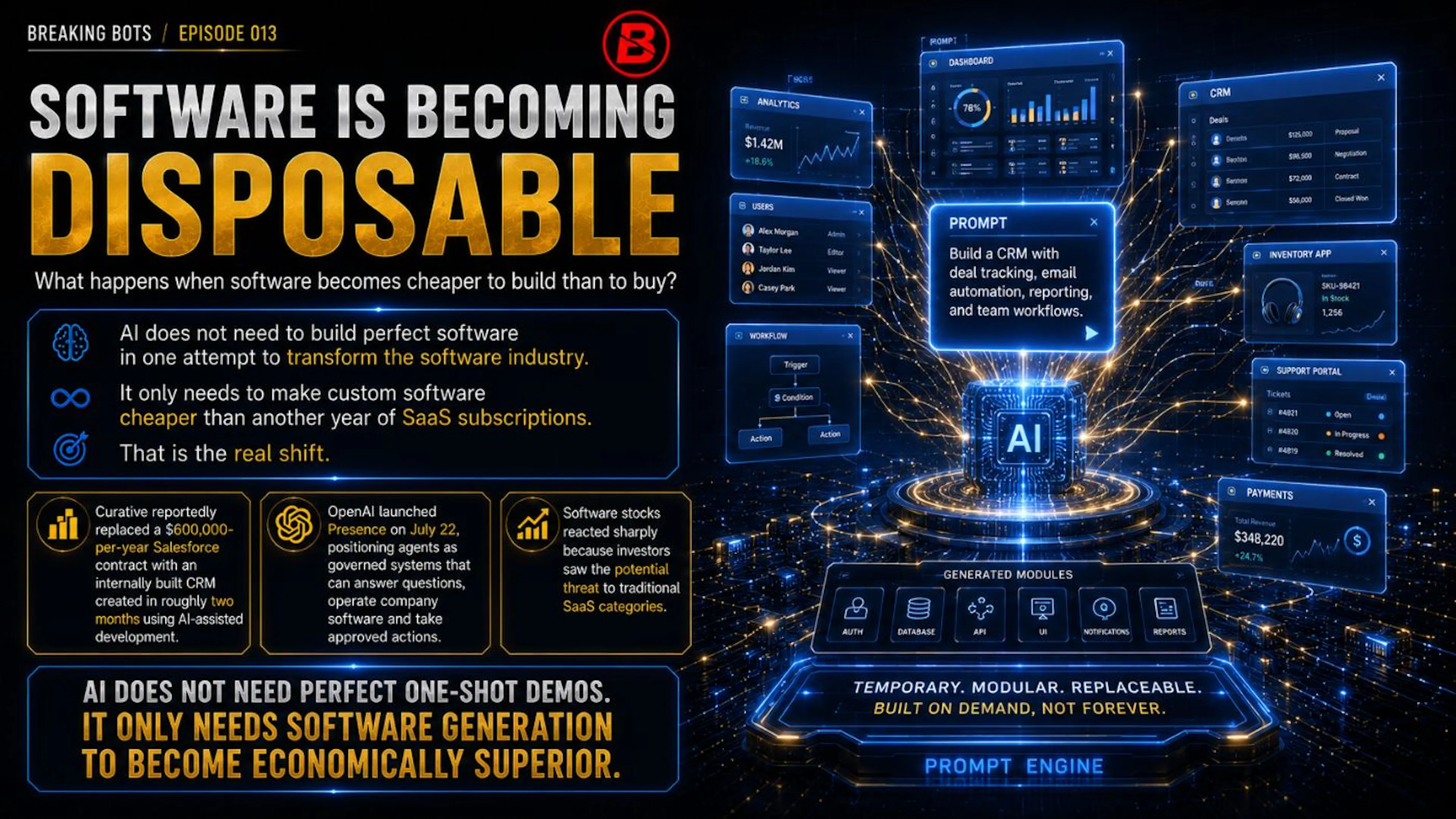
When I say software is becoming disposable, I don’t mean that it is automatically rubbish; I mean that it is becoming replaceable and less permanent.
Imagine an employee needs a small application to manage a particular campaign. They describe the workflow, connect the required data, generate the interface, use it for six weeks, and then throw it away when the campaign ends.
Someone could generate a recipe application based on the ingredients normally found in their kitchen. A creator could build a simple game around a meme that is relevant for three days.
These applications do not need ten-year roadmaps, and realistically, they need to solve today’s problem. Until recently, building software for a temporary requirement made little economic sense and was a pain in the rear, for the most part. The cost of development was too high compared with the value of the task. So what happens when the application can be produced in a single afternoon? In my mind, the software becomes closer to a document, presentation, or spreadsheet, and my favourite, a social media post. The software effectively becomes ephemeral, but its outcomes and data may remain valuable.
The App Store May Become a Feed
We normally think of applications as permanent destinations; for example, you visit an app store, download something, create an account, learn how it works, and ideally continue using it for years. Software as content reverses that relationship.
Instead of asking users to commit to an application, you deliver a small interactive experience directly into the flow of information.
A research paper published this year described “Software as Content” as a model where dynamically generated applications become the interaction layer between humans and AI agents. Rather than receiving a wall of text, the user receives a task-specific interface that can persist, change, and respond to their actions. (arXiv)
That interface could be an interactive COVID tracker, or it could be a room configurator where every object can be moved, replaced, or recoloured.
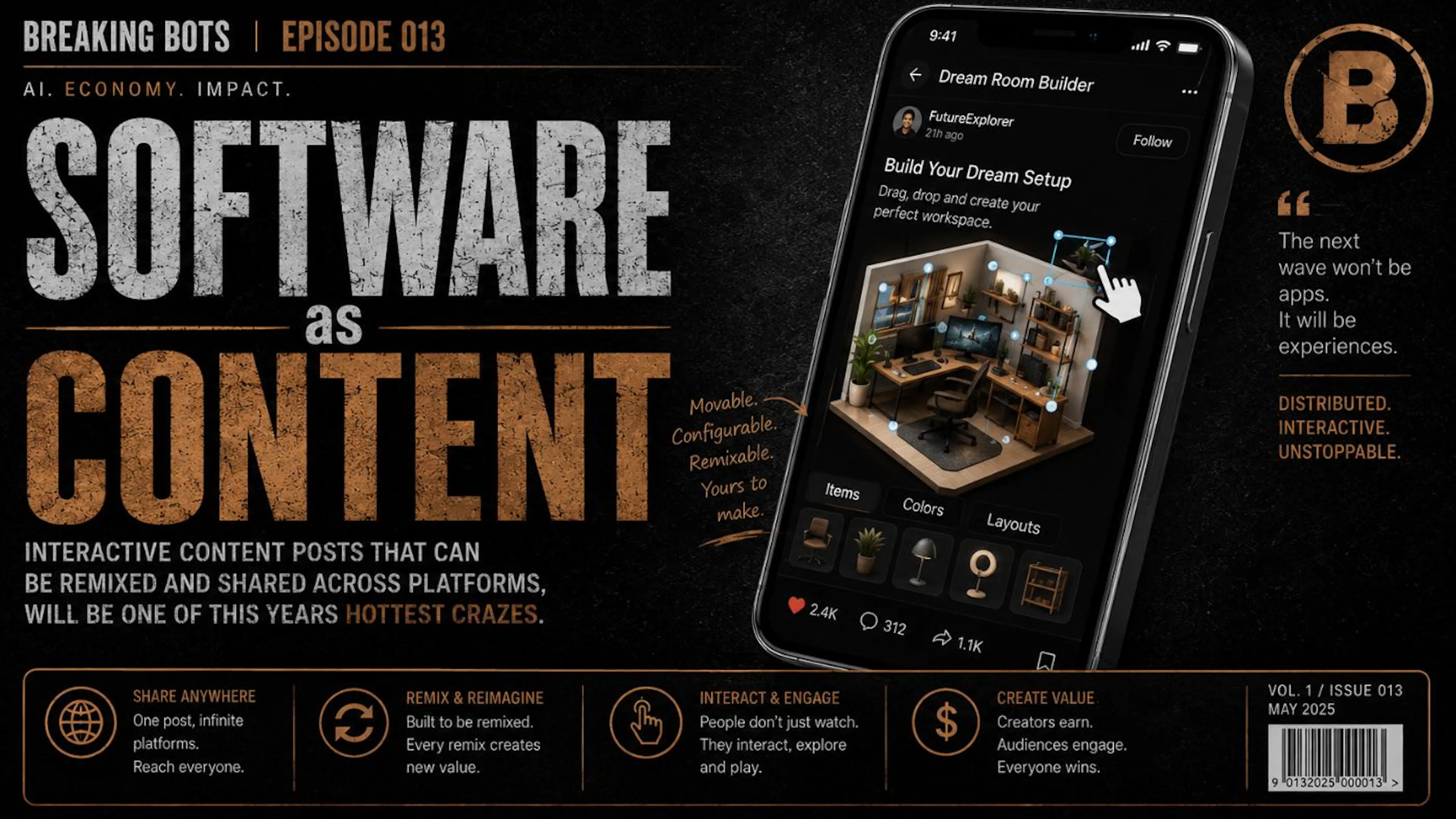
It could be a calculator, game, simulation, comparison tool, training experience, quiz, itinerary, financial model, or product demonstration; it really doesn’t matter. The important change is this. ‘It should behave like software and travel like content.’
It can be posted, opened, used, shared, copied, remixed, and adapted, and the monetisation model in my mind is simple and extremely effective. We shall soon find out as there will be one launching in a few weeks.
We are already seeing creators experiment with this model. Danger Testing reportedly released more than 50 small applications and treats them more like creative media than traditional technology products. Its founders focus on audience, virality, and memorable interactive moments rather than building one permanent application and obsessing over downloads. (Business Insider)
That may sound trivial but hey, so did posting homemade videos online.
The Real Threat to SaaS Is Not Another SaaS Company
For years, a SaaS company mostly worried about another vendor building a better SaaS product. The next or new wave of competitors may look nothing like a software company. Nowadays, it could be an employee with access to an AI coding agent or a consultant who delivers a working system instead of a PowerPoint presentation. Everything is now a possibility. It changes the nature of competition and its shape.
A generic SaaS product currently competes against another polished platform with a sales team, annual contracts, onboarding processes, and twenty pricing tiers, but soon it may be competing with “Build me exactly what I need”. The generated replacement does not have to reproduce every feature, per se, but it does need the features that matter to the particular user.
Software bundles become much more vulnerable in this situation because, as an end user, I don’t care that you now have a whopping 500 features; I care about the 12 I want to use, of which you don’t have 3.
I’m Not Saying Salesforce Disappears
It is tempting to take this argument to its most dramatic conclusion, and that would get more clicks, but that’s not what I am saying. I’m not saying every company cancels every subscription, employees build everything themselves, and the entire SaaS industry disappears in a puff of GPU exhaust; I personally don’t think that happens.
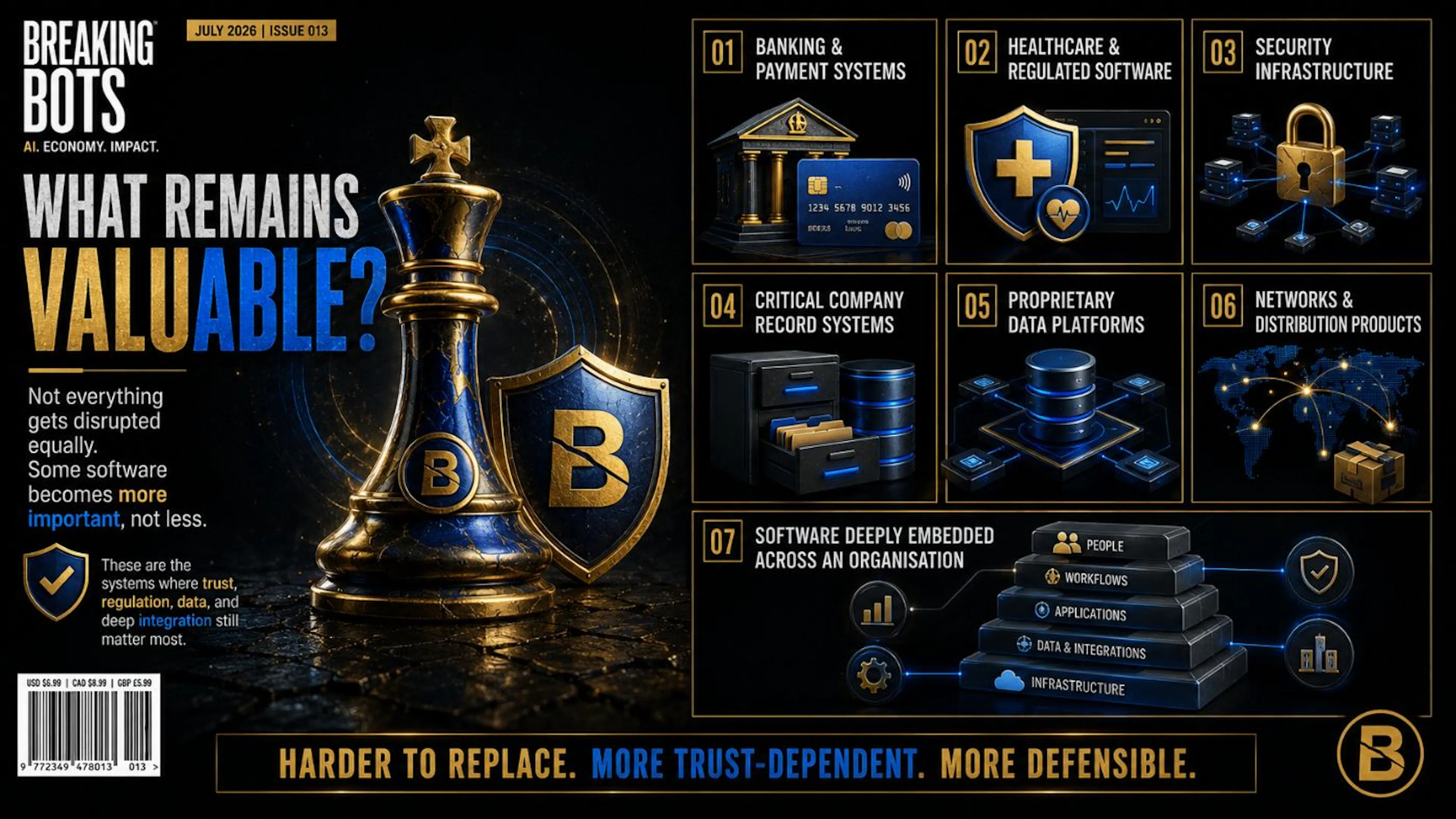
Large enterprise platforms do far more than present screens and move information between fields. They provide infrastructure, security, permissions, audit trails, integrations, compliance support, reliability, documentation, and people to call when something goes wrong, and that has to be a consideration when doing things yourself, because they still matter. In many cases, they matter more than the interface itself.
Curative’s own CEO acknowledged that maintenance was challenging, while Salesforce argued that regulated organisations continue to require the trust and governance offered by mature platforms. (Business Insider)
AI-generated software also introduces familiar problems at much greater speed; we’ve all heard it before, and bad architecture can be produced faster, so can security vulnerabilities and technical debt. A recent paper on AI-native enterprise development warned that ungoverned conversational generation can create security exposure, architectural erosion, and reliability problems. Its argument was not that AI coding is useless, but that enterprise use requires specifications, validation, and governance around the generation process. That needs to happen fast. (arXiv)
So no, professional software engineering is not becoming irrelevant, despite the chatter that will continue to grow around this topic, but the act of producing the code is becoming cheaper. That doesn’t mean the savings will be passed onto you either, because the cost of compliance, liability, and maintenance is ever fluctuating.
Legacy Infrastructure Can Become a Sunk-Cost Trap
Yes, it’s one of my favourite analogies but for good reason. Imagine four people at the starting line of a race; three are ready to sprint, and the fourth has an old refrigerator strapped to his back because someone spent a lot of money buying it fifteen years ago; well, that’s how many businesses approach legacy technology.
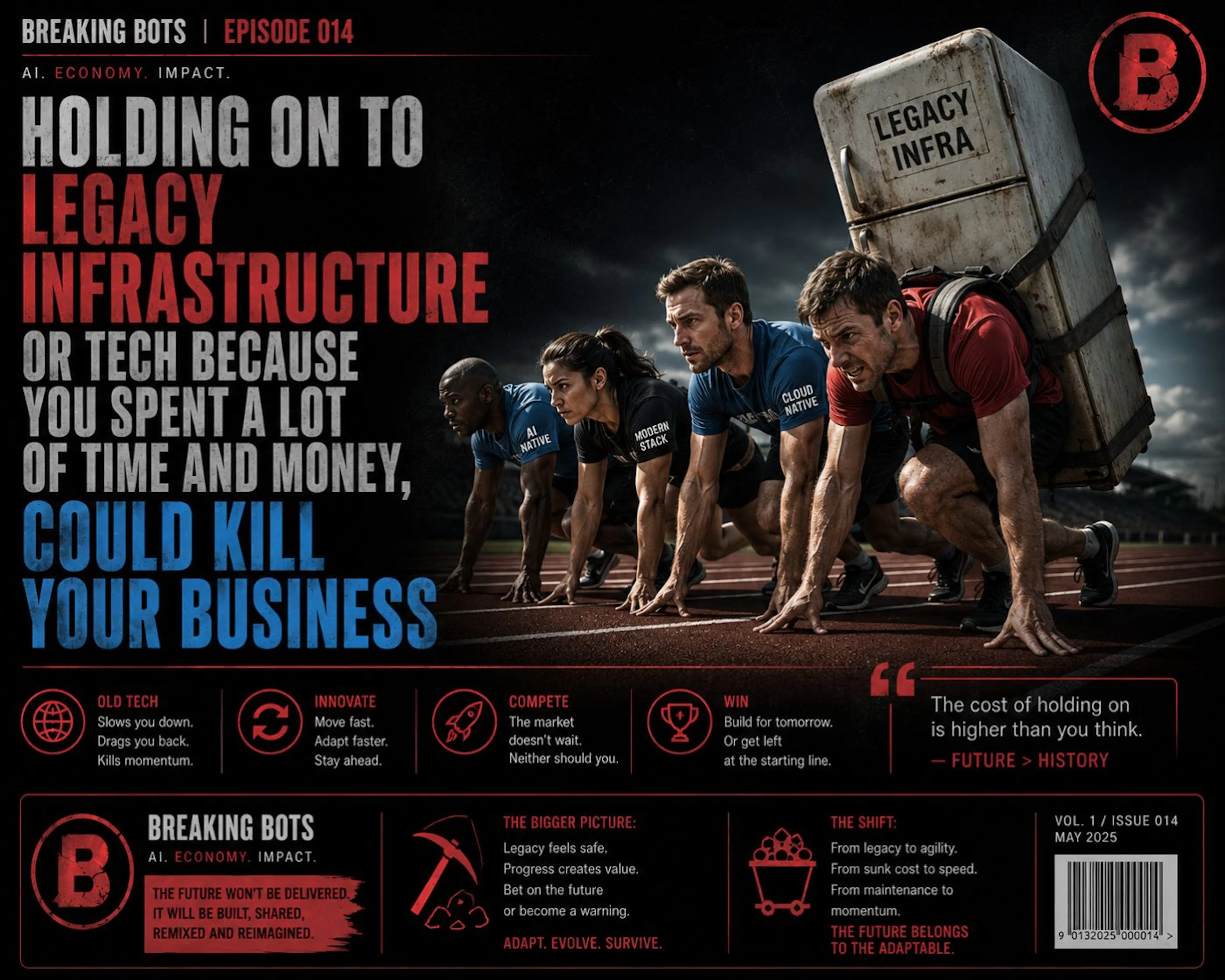
They continue carrying outdated infrastructure because replacing it would mean admitting that the original investment no longer matters, or justification to VC’s, investors. Because the system took years, and cost millions, and hundreds of employees were trained on it, the thinking remains that it is somehow important. Well, it could be the thing that kills you. Say this 5 times: ‘sunk cost is not a competitive advantage’.
The relevant question is whether the system still helps the company compete today. Companies should not recklessly replace critical infrastructure every time a new AI tool appears. That would create chaos, security failures, fragmented data, and thousands of unsupported internal applications.
The question I do ask myself often, though, is ‘what if a company just raised a ton of money to build something, has begun, and a giant player releases the same thing? Do they pivot? Are they allowed? Or do they keep marching to what would appear to be a certain death?’ It comes down to whether the investors are investing in the people or the idea. Thoughts?
When Code Becomes Cheap, Value Moves Somewhere Else
If software becomes abundant, the value does not disappear. It acts like hair on an aging man’s head, and just relocates to some place where hair didn’t exist before. I believe it moves toward the things that remain difficult to manufacture instantly/ They include access, distribution, reputation, trust, IP, proprietary data, security, integrations, communities, verified outcomes, and so on. There is no longer the same advantage in owning code.
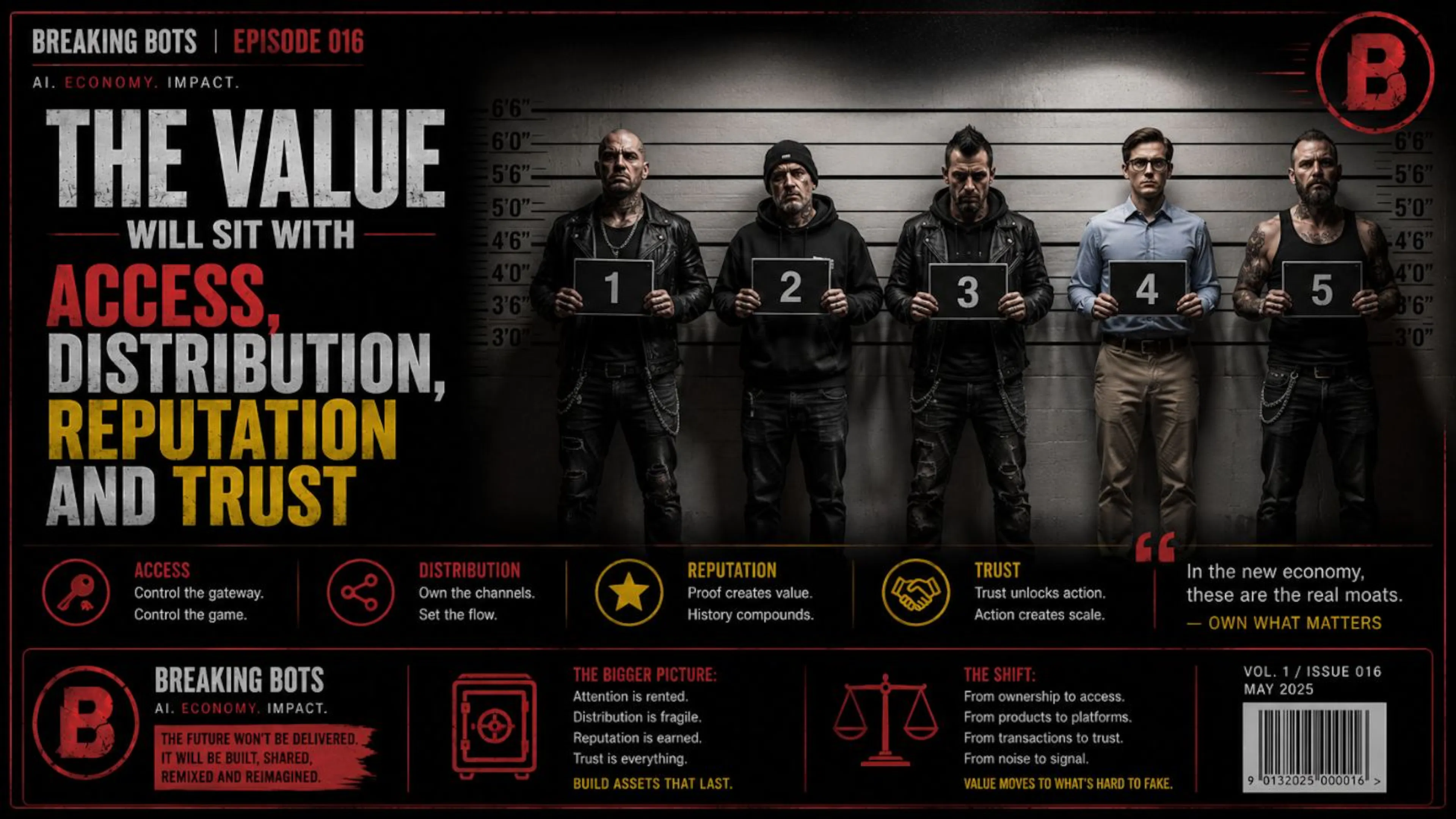
A competitor may be able to reproduce your interface, and it may even reproduce many of your features, but it cannot instantly reproduce years of trusted performance, high-quality data, customer relationships, market access, regulatory credibility, or a distribution network. This is why the future of software may look contradictory: more software will be created than ever before, but the code itself may represent a smaller percentage of the total value.
Marketing to Agents Will Look Very Different
There is another consequence that I don’t think businesses have fully considered. Who do you market to when humans are no longer the only ones discovering and selecting software? Today, marketing is built around eyeballs.
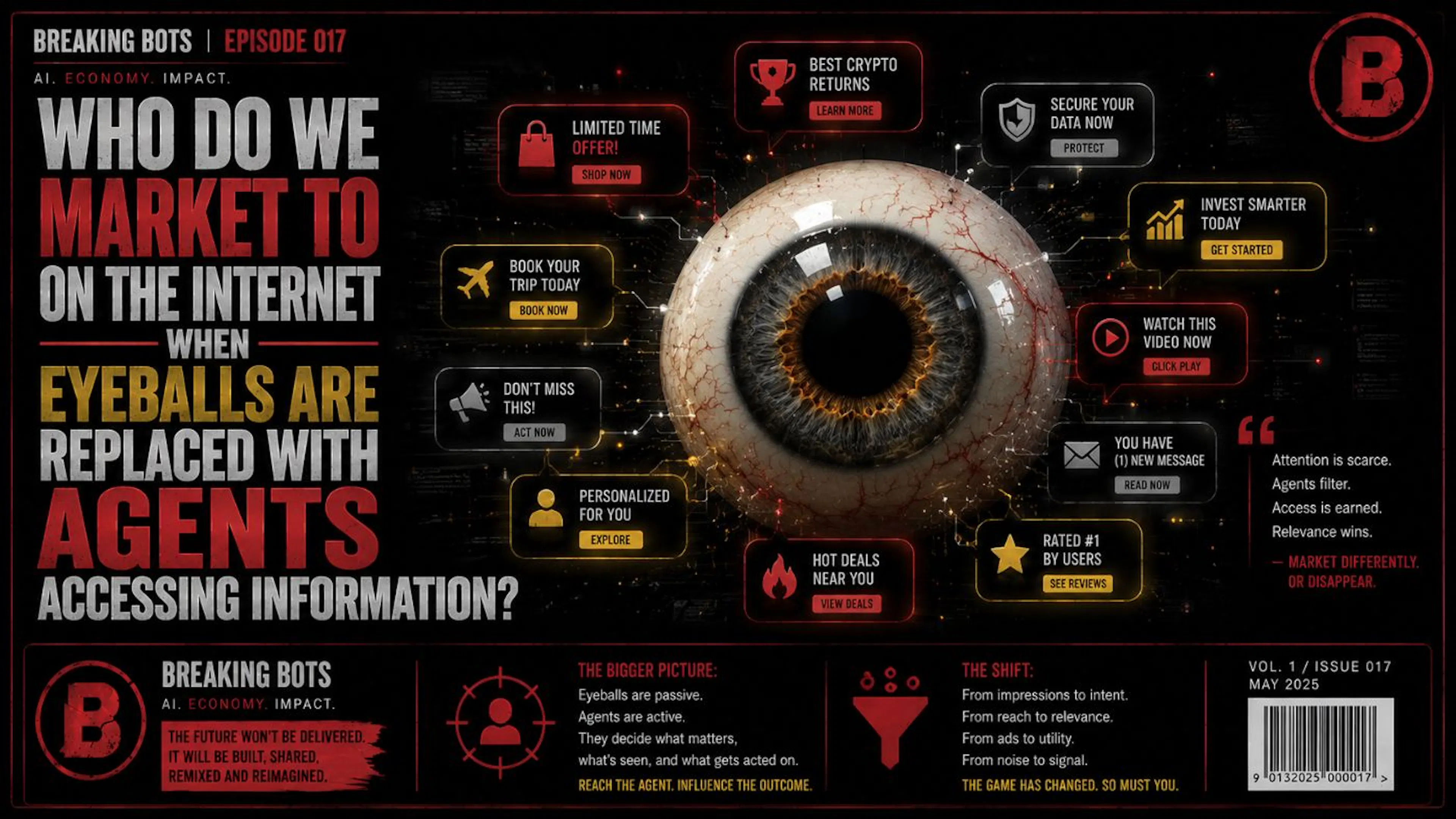
We compete for impressions, clicks, attention, emotional reactions, and human memory, but agents do not browse the internet in the same way. An agent looking for a service may compare pricing, permissions, performance, compatibility, reviews, documentation, APIs, security standards, and evidence of previous results. It will not care that the advertisement had Angelina Jolie or Simon Whatshisface walking dramatically through a desert. All an agent will care about is whether the product can complete the task.
Marketing to agents may therefore look less like persuasion and more like verifiable usefulness; companies will need to make their capabilities machine-readable, and their reputations will need to be measurable. Their documentation will need to be accurate, and god forbid, their integrations will need to actually work. The claims will need proof and evidence, and the loudest ads won’t win anymore; the ones the agents select will be the actual winners.
Someone Still Has to Be Accountable
There is also a less exciting part of this future: someone still needs to monitor what the software does. Someone needs to police the actions of autonomous systems.
Someone needs to be accountable when an agent makes the wrong transaction, exposes private information, violates a regulation, or quietly opens a backdoor into the company. So even if software may become disposable, consequences may not.
The faster organisations generate applications, the more important security, identity, monitoring, permissions, and human oversight become. We may create a million temporary applications, but every one of them potentially touches data, money, customers, infrastructure, or decisions. So the way we remix or distribute the code needs to be very carefully thought through.
The creation barrier is collapsing, but its responsibility barrier cannot.
The Question Not Enough People Are Asking
For decades, businesses treated software as something permanent. You researched it, purchased it, implemented it, integrated it, trained everyone to use it, and hoped it would remain valuable for years. We may be moving into a world where a significant percentage of software is generated for a particular person, task, company, or moment.
The provocative statement is that SaaS is dead, but let’s be real and acknowledge the more accurate statement is that the assumption underneath traditional SaaS is dying.
Software is no longer guaranteed to be scarce and no longer difficult to replace; therefore, it is no longer as valuable. ‘It is no longer guaranteed that customers will adapt themselves around a generic product simply because building an alternative is too expensive’.
The strongest SaaS companies will survive, but only if some become infrastructure, some become trusted data layers, some become agent platforms, and some become distribution networks. Others will discover that what customers really valued was never the enormous product and that it was twelve useful features that can now be regenerated somewhere else.
The future won’t only be downloaded; it will be generated, used, shared, remixed, and increasingly more common to throw away.
What do you think?
If every employee, creator, consultant, and household can generate software for a specific requirement, which applications will still be valuable enough to justify a permanent subscription?
As always, I would love to hear your thoughts.
如有侵权请联系:admin#unsafe.sh