Modern web applications are no longer simple collections of frontend pages and backend endpoints. As 2026-8-12 12:2:22 Author: hackernoon.com(查看原文) 阅读量:2 收藏
Modern web applications are no longer simple collections of frontend pages and backend endpoints. As applications grow, developers need to think about performance, scalability, security, maintainability, and reliability from the beginning. A well-designed backend architecture allows teams to add new features without turning the codebase into a difficult-to-maintain system.
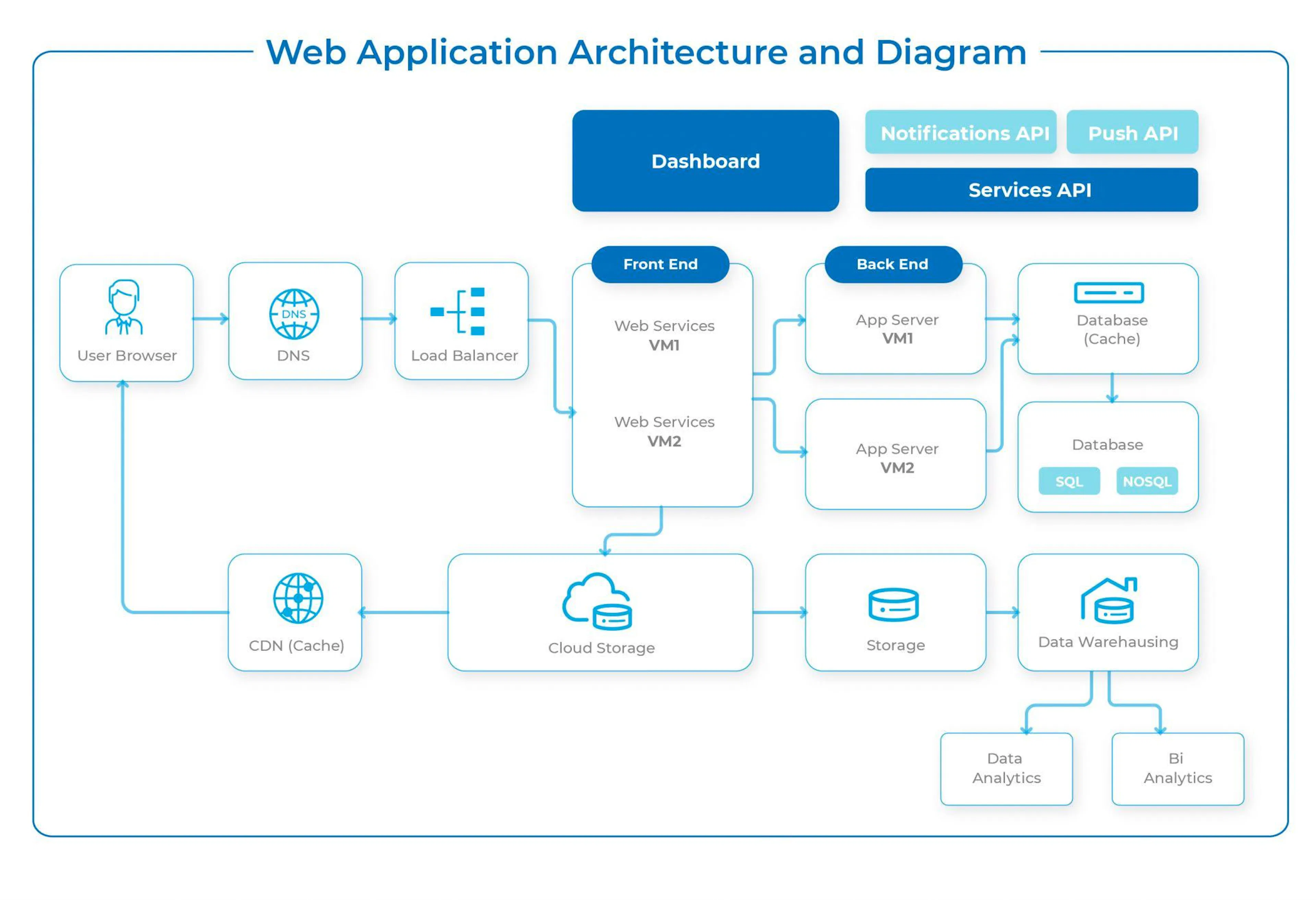
A typical modern application consists of several interconnected layers. The frontend communicates with backend APIs, the backend handles business logic, and databases store persistent information. Additional services such as caching systems, message queues, authentication providers, and object storage can be introduced as the application becomes more complex. Keeping these responsibilities separated makes the system easier to scale and debug.
For JavaScript developers, Node.js is a popular choice for building backend services because it allows developers to use JavaScript across the application stack. Frameworks such as Express.js make it straightforward to create REST APIs, middleware, authentication systems, and integrations with external services.
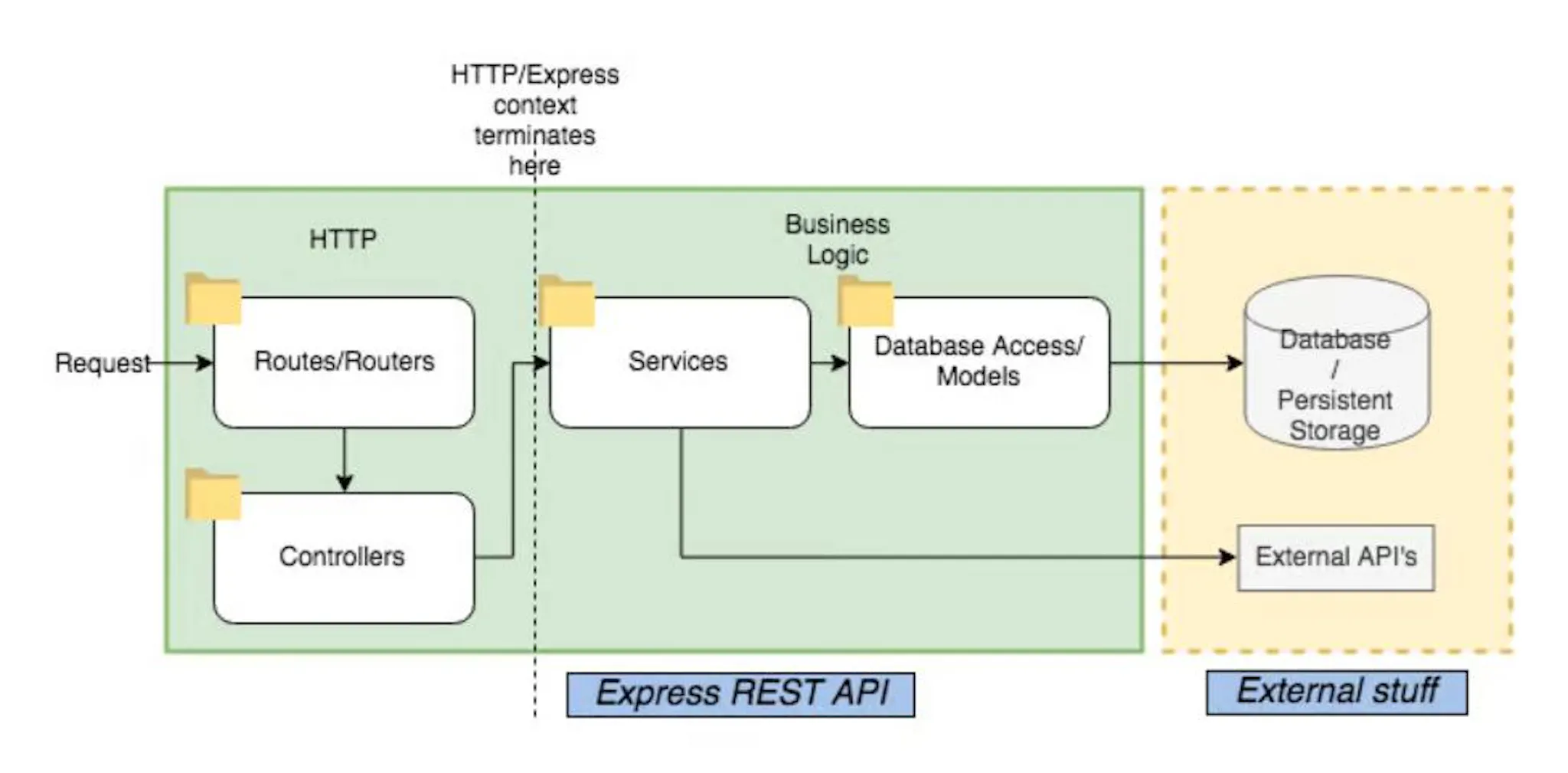
Database design is another important part of application architecture. PostgreSQL and MySQL are commonly used when applications require structured relational data, transactions, and complex queries. Developers should carefully design database schemas and indexes because inefficient queries can become a major performance bottleneck as the amount of data increases.
Caching can significantly improve application performance when the same data is requested repeatedly. Redis is commonly used to store frequently accessed information in memory, allowing applications to respond without querying the primary database every time. A well-designed caching strategy can reduce database load and improve response times for users.
如有侵权请联系:admin#unsafe.sh