嗯,用户让我帮忙总结一下这篇文章的内容,控制在一百个字以内,而且不需要用“文章内容总结”之类的开头。首先,我需要仔细阅读这篇文章,理解它的主要观点。 文章的标题是“补贴时代即将结束”,看起来是在讨论AI推理成本补贴的终结。作者提到现在每个主要实验室在推理上都在亏钱,这种情况即将改变。他预测未来会有两个方向:一个是前沿模型会变得昂贵,另一个是大部分任务可以用开源模型来处理,成本更低。 接下来,我需要提取关键点:补贴结束、前沿模型昂贵、开源模型普及、大部分任务不需要最先进模型、效率提升空间大。然后把这些点浓缩成一句话,不超过一百字。 可能的结构是:补贴时代结束,AI推理成本变化,前沿模型昂贵,开源普及,大部分任务低价处理。这样既涵盖了主要内容,又简洁明了。 </think> AI推理成本补贴即将结束,未来将分为两部分:前沿模型价格昂贵仅用于少量高端需求,而95%的日常任务将转向开源或低价云模型。 2026-3-28 18:0:0 Author: danielmiessler.com(查看原文) 阅读量:52 收藏
The subsidy era is ending. Here's what comes next.
March 28, 2026
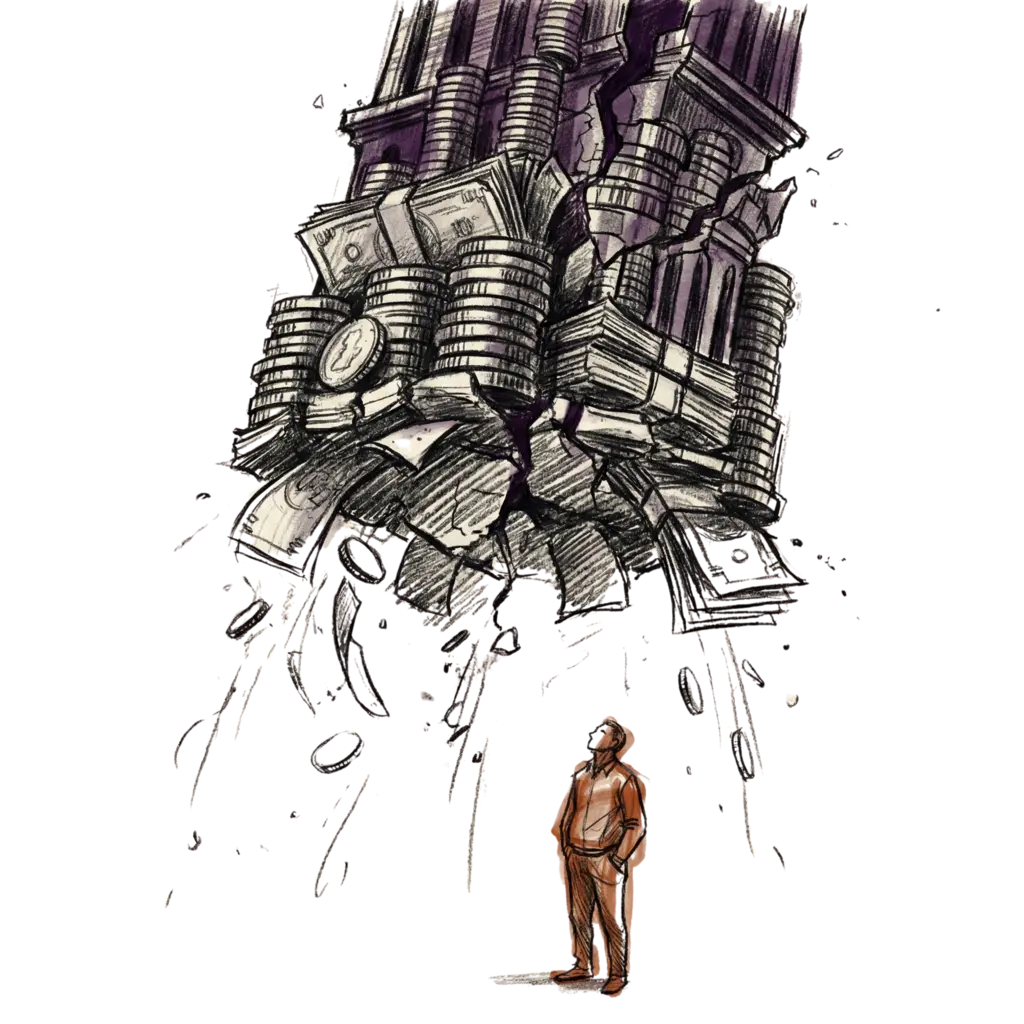
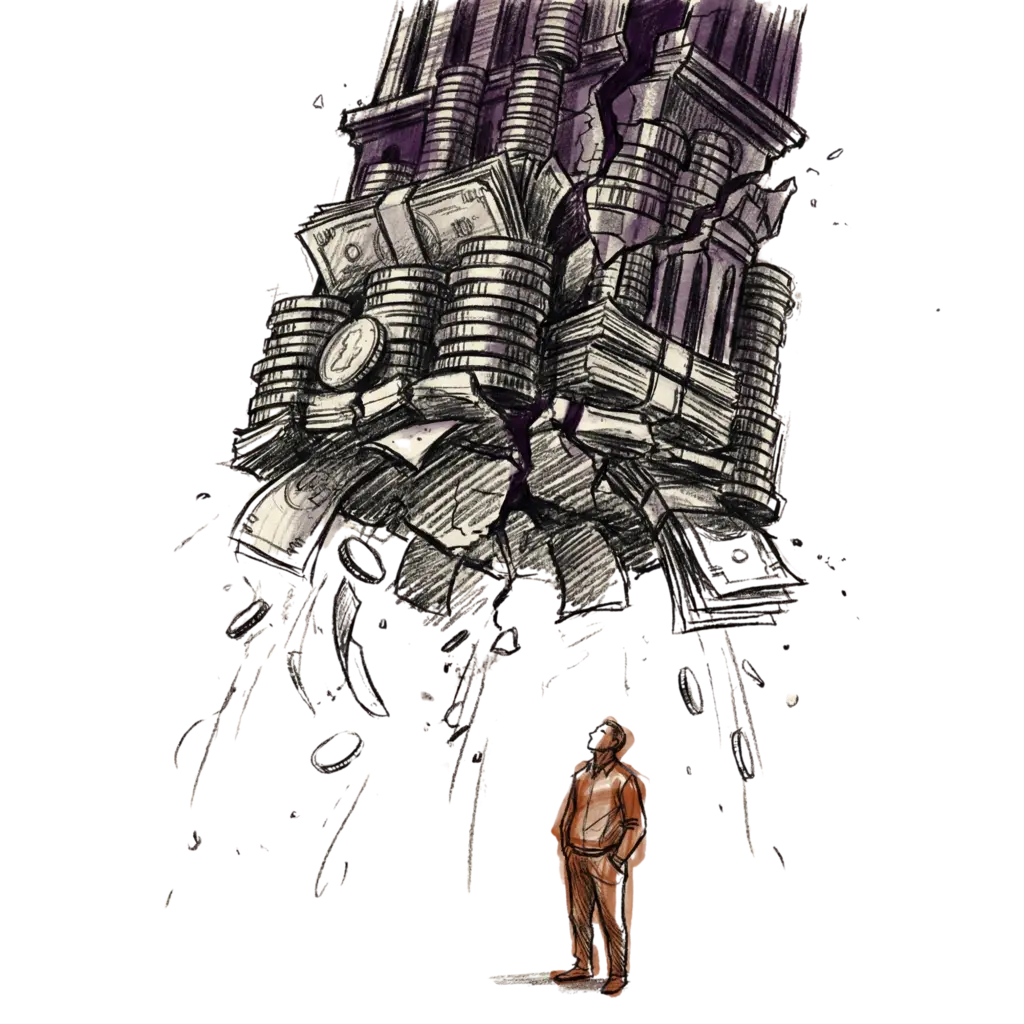
I've been thinking about what happens when AI inference costs stop being subsidized. Every major lab is losing money on inference right now, and that's going to change. I don't know exactly how it plays out, but here's where my head is at.
Good enough is good enough. Most tasks people use AI for don't need frontier models. Writing summaries, extracting data, answering questions, drafting emails — none of that requires the smartest model available. I think this covers 95% of real-world usage. The top 5% — hard research, complex reasoning, genuinely creative work — still needs frontier. But that's not what most people are doing.
Open-source absorbs the work. A lot of that 95% shifts to open-source models that are small and virtually free to run. Open-weight models lag frontier by about three months now. Three months. That gap keeps shrinking.
There's still vast amounts of slack in the rope. I've been saying this since 2023, and it keeps being true. I don't think we've come close to finding out how efficient inference can get. We're probably at 1-5% of the efficiency we'll have over the next decade, and that might be orders of magnitude too conservative.
Frontier gets more expensive, everything else gets cheaper. I expect a price jump at the top tier because the labs can't keep giving that away. But lower-tier cloud models — Haiku, the nano models, Flash — will compete hard with open-source on price. They have to, because losing that traffic means losing the customer.
What humans want doesn't change that fast. The workflows and tasks most people need are largely static. The top 5% of requirements might stay expensive. But most human tasks land in the bottom 95%, and I expect that to be very affordable.
I'm still thinking through a lot of this, but here's where I currently land: the subsidy era ends, and what replaces it is a split — expensive frontier for the few who need it, cheap everything else for everyone who doesn't. Most people won't even notice.
如有侵权请联系:admin#unsafe.sh