嗯,用户让我总结这篇文章的内容,控制在一百个字以内,而且不需要特定的开头。首先,我需要通读整篇文章,抓住主要信息。 文章讲的是苹果公司决定使用谷歌的Gemini来升级Siri,而不是OpenAI的ChatGPT。这涉及到一个十亿美元的协议。这意味着苹果承认自己在AI方面无法独立竞争,转而依赖谷歌的技术。 接下来,文章分析了这对各方的影响。谷歌通过这次合作实现了AI业务的复苏,而OpenAI则失去了重要的分发渠道,市场份额下降。苹果的选择也反映了AI市场中分发比技术更重要,生态系统整合胜过独立模型。 用户可能需要一个简洁明了的总结,突出关键点:苹果与谷歌的合作、OpenAI的困境、以及AI市场的未来趋势。我要确保在100字以内涵盖这些要点。 </think> Apple与谷歌达成协议,使用其Gemini技术升级Siri,每年支付10亿美元;OpenAI失去重要分发渠道;谷歌凭借生态系统和分发优势巩固AI地位。 2026-2-23 15:54:11 Author: securityboulevard.com(查看原文) 阅读量:1 收藏

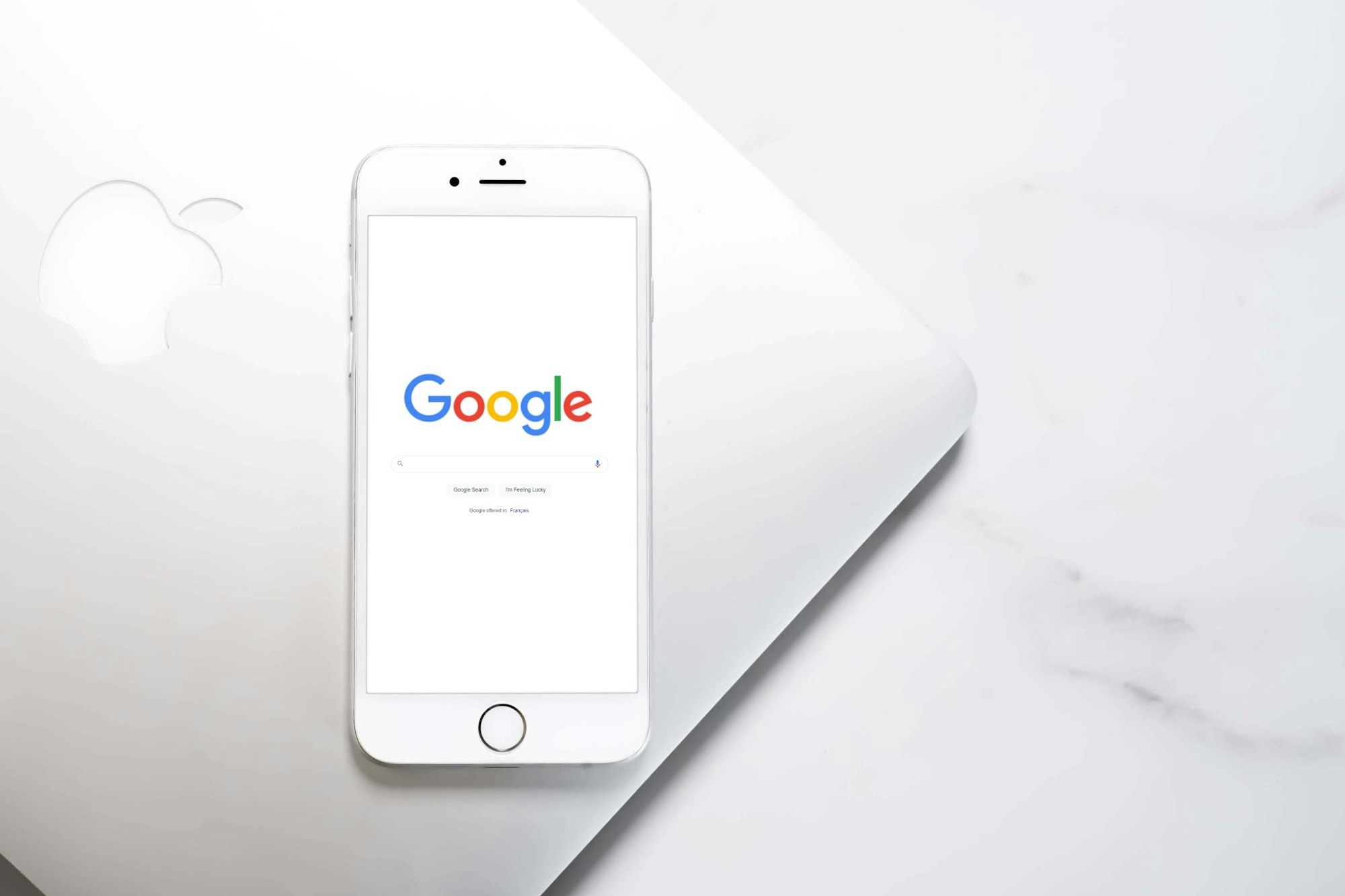
On January 12, 2026, Apple made a decision that shocked Silicon Valley: they chose Google's Gemini to power the next generation of Siri.
Not OpenAI's ChatGPT. Not their own in-house model. Google.
The deal is reportedly worth $1 billion per year. That's billion with a B—for what amounts to Apple admitting they can't build competitive AI on their own.
This isn't just a business deal. It's a seismic shift in the AI power dynamics that tells us exactly who's winning and who's losing.
After building AI-powered platforms at GrackerAI and watching the AI landscape evolve from the trenches, I can tell you: this deal reveals more about the future of AI than any product launch or funding round.
Let me break down what actually happened, who won, who lost, and what it means for the billion-plus people who use iPhones every day.
What Actually Happened
The Official Announcement:
Apple and Google announced a multi-year partnership where Google's Gemini will power Apple's foundational AI models, including a major Siri upgrade expected later in 2026.
The key details:
- Multi-year commitment (not just a trial)
- Estimated $1 billion per year payment from Apple to Google
- Gemini will run on Apple devices and Apple's private cloud compute
- Integration across Siri and Apple Intelligence features
- Apple continues existing ChatGPT partnership (for now, in limited capacity)
Apple's statement:
"After careful evaluation, we determined that Google's technology provides the most capable foundation for Apple Foundation Models and we're excited about the innovative new experiences it will unlock for our users."
Translation: We evaluated everyone. Google's tech is better than ours. We're paying them a fortune because we have no choice.
Why This Deal Matters More Than You Think
For Apple: Admission of Defeat
Apple has mostly stood on the sidelines while the AI frenzy swept Wall Street since ChatGPT's launch in November 2022.
Their AI track record:
- Delayed Siri AI upgrade from 2025 to 2026
- Ran ads for AI features that didn't exist yet
- Partnered with OpenAI for ChatGPT integration (basic features)
- Struggled to deliver on Apple Intelligence promises
- Now partnering with Google for core AI capabilities
Apple built their empire on vertical integration—controlling everything from chips to software to services. Steve Jobs famously said owning the entire stack was their competitive advantage.
This deal breaks that philosophy.
For the first time in modern Apple history, they're admitting they can't build a core technology competitively and are relying on a partner (and rival) to provide it.
Dan Ives from Wedbush called this "a stepping stone to accelerate its AI strategy into 2026 and beyond."
I call it what it is: Apple couldn't build competitive AI fast enough, so they're renting it from Google.
For Google: The Comeback Story
Remember 18 months ago when everyone was writing Google's obituary?
The narrative was:
- ChatGPT caught Google flat-footed
- Google's Bard was embarrassingly bad
- Gemini launched with errors (recommending glue on pizza, generating historically inaccurate images)
- Google was "too slow" and "too bureaucratic" to compete
Fast forward to today:
- Gemini 3 is among the most capable models on the market
- ChatGPT's U.S. mobile market share dropped from 69.1% to 45.3%
- Gemini climbed from 14.7% to 25.1% market share
- Gemini web traffic surged 647% (267.7M to 2B visits)
- Google's market share of AI chatbot traffic: 5.3% → 22%
- 650 million monthly active users through Android, Chrome, Workspace
- And now: Apple is paying them $1B/year to power Siri
This isn't just a comeback. It's a masterclass in leveraging distribution.
For OpenAI: The Beginning of the End?
OpenAI currently has 800 million weekly ChatGPT users. That's massive.
But this Apple deal is an existential threat.
Why?
1. Loss of built-in distribution
Apple's existing ChatGPT integration gave OpenAI access to 1+ billion iPhone users. Limited access, but access nonetheless.
With Gemini taking center stage, that access diminishes or disappears entirely.
2. Perception shift
Right now, many people see "ChatGPT = AI."
But if Apple users experience Gemini through Siri and find it delightful, that perception shifts to "Gemini = better AI."
3. Revenue implications
OpenAI can't easily grow its user base without distribution. Enterprise deals take years. Consumer growth requires… Apple-like distribution.
Which they just lost.
4. Strategic disadvantage
Sam Altman told reporters OpenAI sees Apple as their "primary long-term rival."
Hard to compete with someone when they're using your competitor's technology at the core of their platform.
OpenAI is developing its own AI device with Jony Ive (Apple's former chief designer) that might debut in 2026. But now they're competing against Apple + Google + Microsoft ecosystems.
That's an uphill battle.
Why Apple Chose Gemini Over ChatGPT
Apple evaluated every major AI platform. They chose Google. Here's why:
1. Technical Capabilities
Gemini 3 genuinely matches or exceeds GPT-4.5 in many benchmarks:
- Reasoning tasks
- Code generation
- Multi-modal understanding (text, images, video)
- Context window (how much information it can process)
- Speed and latency
Google's infrastructure advantage (decades of search + YouTube + Android data) gives Gemini training advantages OpenAI can't match.
2. Privacy Architecture
Apple obsesses over privacy. It's a core brand promise.
Google's offer:
- Models run on Apple devices (not Google servers)
- Apple's private cloud compute handles sensitive tasks
- Clear data boundaries and contractual protections
This matters more than technical performance. Apple won't sacrifice privacy promises for better AI.
3. Infrastructure and Scale
Google has:
- Global data center infrastructure
- Custom AI chips (TPUs) optimized for LLM inference
- Proven scaling experience (serving billions of queries daily)
- Reliability and uptime guarantees
OpenAI relies on Microsoft's Azure infrastructure. That adds complexity and potential conflicts (Microsoft has its own Copilot to promote).
4. Cost and Economics
Reportedly, Google offered better economics than OpenAI:
- More competitive per-query pricing
- Better infrastructure cost structure
- Potential revenue sharing on AI-driven purchases through Siri
- Gemini app potentially pre-installed on future iPhones
Apple is cost-sensitive at scale. Saving $0.01 per query matters when you have a billion users.
5. Strategic Alignment
Apple already pays Google billions per year to be the default search engine on Safari.
Adding Gemini extends an existing, working partnership. Legal frameworks exist. Teams already collaborate.
Starting fresh with OpenAI meant new contracts, new legal reviews, new integration challenges.
Plus: Google isn't competing directly with iPhone hardware. OpenAI's forthcoming device is.
What This Means for Users
If you're one of the 1+ billion iPhone users, here's what changes:
The Good
1. Siri finally gets good
Current Siri is… not great. Gemini should make it:
- Actually understand context
- Handle complex queries
- Provide accurate information
- Execute multi-step tasks
- Integrate with Apple services better
2. Privacy protections maintained
Despite Google being the provider, Apple's architecture keeps data on-device or in Apple's private cloud where possible.
This is better than pure cloud AI where every query goes through external servers.
3. Competitive pressure improves products
OpenAI, Anthropic, and others will need to innovate faster to compete with Apple + Google.
Competition drives innovation. Users win.
The Concerns
1. Google's data access (even if limited)
Apple promises privacy protections. But Google is still processing queries.
Even if they don't get raw data, they learn about:
- What types of questions iPhone users ask
- What features people use most
- How people interact with AI on mobile
That's valuable product intelligence.
2. Vendor lock-in
Multi-year deal means you're stuck with Gemini for years, even if better alternatives emerge.
Apple switching AI providers is costly and slow.
3. Two AI systems (ChatGPT + Gemini)
Apple still has ChatGPT integration for certain features.
Having two different AI systems is confusing:
- Which one handles which queries?
- Do they have different capabilities?
- How do I know which I'm using?
Fragmentation hurts user experience.
4. Revenue sharing implications
Google may get a share of purchases made through Gemini-powered Siri.
This could bias recommendations toward purchases (subtle advertising through "helpful suggestions").
What Users Should Do
1. Understand what you're using
When the new Siri launches, learn:
- Which queries go to Gemini
- Which use ChatGPT
- What stays on-device
- What goes to cloud processing
Knowledge is power.
2. Review privacy settings
Apple will likely offer controls for AI features. Pay attention to:
- What data AI can access
- What queries get sent to cloud
- What stays on device
- How to disable AI features you don't want
3. Don't assume Apple AI = Apple-built
Many people will think "Apple made this AI."
They didn't. Google did. Remember that when considering privacy implications.
4. Explore alternatives if privacy is paramount
If you're deeply concerned about Google having any role in your AI interactions:
- Use Siri minimally
- Rely on on-device features only
- Consider alternative AI apps (Claude, local models)
- Understand the tradeoffs
What This Reveals About the AI Market
This deal is a crystal ball into AI's future. Here's what it shows:
1. Distribution > Technology
Google's Gemini isn't necessarily better than Claude or GPT-5.
But Google has:
- Android (3+ billion devices)
- Chrome (world's most popular browser)
- Google Workspace (billions of users)
- YouTube, Gmail, Maps
- And now Siri (via partnership)
In AI, getting your model in front of users matters more than marginal technical superiority.
As I've written about in my work on B2B SaaS scaling, distribution beats features when products reach capability parity.
All the major AI models are "good enough" for most tasks. What matters is which one people actually use.
2. Vertical Integration Has Limits
Apple's superpower has always been controlling the full stack.
But AI is different:
- Training costs billions
- Requires massive data
- Needs specialized infrastructure
- Evolves too fast for hardware companies
Even Apple, with $200B+ cash and best engineers, couldn't build competitive AI quickly enough.
The lesson: AI may be the first major technology where vertical integration doesn't guarantee competitive advantage.
3. The AI Race is About Ecosystems, Not Models
Winners:
- Google (Gemini in Apple, Android, Chrome, Workspace)
- Microsoft (Copilot in Windows, Office, Bing, GitHub)
- Amazon (Claude partnership, Alexa, AWS)
Struggling:
- OpenAI (no device ecosystem, relies on distribution partners)
- Anthropic (excellent model, limited distribution)
- Smaller AI startups (can't afford distribution deals)
The AI race isn't won by best model. It's won by best distribution of good-enough models.
4. Privacy Becomes Differentiator
Apple chose Gemini partly because Google agreed to privacy-preserving architecture.
As AI privacy concerns grow, the platforms that can prove data protection will win enterprise and privacy-conscious consumers.
This is why we're obsessive about privacy at GrackerAI. In a world where AI knows everything about users, trust becomes the moat.
5. OpenAI's Valuation Risk
OpenAI's valuation assumes continued dominance and growth.
But losing Apple integration + market share erosion + infrastructure costs = valuation risk.
Investors betting on OpenAI need to ask: what's the sustainable competitive advantage when distribution partners become competitors?
What Businesses Building AI Should Learn
If you're building AI products (like we do at GrackerAI), this deal has critical lessons:
1. Build Distribution First, Models Second
You don't need the "best" AI model. You need the most-used AI model.
How to build distribution:
- Integrate into existing workflows (don't force new habits)
- Partner with platforms people already use
- Make your AI the default option
- Reduce friction to zero
At GrackerAI, we built our AI-powered marketing platform to integrate with tools businesses already use. Adoption > sophistication.
2. Privacy as Competitive Moat
Apple chose Gemini partly because Google agreed to strong privacy protections.
How to make privacy a moat:
- Process data on-device when possible
- Clear data boundaries (what stays local, what goes to cloud)
- Contractual protections (especially for enterprise)
- Regular privacy audits and transparency
- Give users actual control
This is foundational to modern CIAM architecture—users need to trust you with their data.
3. Partnerships > Building Everything
Apple tried building their own AI. It didn't work fast enough.
When to partner vs. build:
- Partner: When speed to market matters and partners have proven tech
- Build: When differentiation requires proprietary technology
- Hybrid: Partner for infrastructure, build for unique features
OpenAI partners with Microsoft for infrastructure. Google partners with Apple for distribution. Even giants partner.
4. Economics Win Long-Term
Google offered better unit economics than OpenAI.
How to win on economics:
- Optimize infrastructure costs (every cent per query matters at scale)
- Own your stack where possible (reduce vendor margins)
- Invest in custom hardware (Google's TPUs vs. renting GPUs)
- Achieve economies of scale before competitors
This is why zero-trust architecture matters—efficiency and security compound over time.
5. Perception ≠ Reality in AI
Many people still think ChatGPT = AI and Google is behind.
Reality: Gemini has closed the gap, maybe surpassed, and now has distribution advantage.
The lesson: Marketing, brand, and distribution shape perception as much as technical capability.
Don't just build great AI. Make sure people know about it and can easily use it.
The Future: What Happens Next
Based on this deal and current trajectories, here's what I expect:
Near-Term (2026)
Apple:
- Siri upgrade launches mid-2026 with Gemini
- Gradual phase-out of ChatGPT integration
- Continued investment in own AI (but multi-year partnership means less urgency)
Google:
- Aggressive expansion of Gemini distribution
- Potential pre-installation of Gemini app on iPhones
- Revenue sharing on AI-driven commerce through Siri
- Continued Android/Chrome/Workspace integration
OpenAI:
- Launch of Jony Ive device (competing with Apple)
- Focus on enterprise and API business
- Potential acquisition or new distribution partnerships
- Pressure to find sustainable business model beyond subscriptions
Market:
- Consolidation around Google, Microsoft, Amazon ecosystems
- Smaller AI companies struggle with distribution
- Privacy becomes key differentiator
- AI capabilities converge (all "good enough" for most tasks)
Medium-Term (2027-2028)
The AI oligopoly solidifies:
- Google (consumer AI via distribution)
- Microsoft (enterprise AI via Office/Windows)
- Amazon (enterprise AI via AWS, consumer via Alexa)
- Apple (consumer AI via devices, powered by partners)
OpenAI's choice:
- Becomes enterprise-focused (competing with Microsoft Copilot)
- Gets acquired by mega-corp for distribution
- Successfully launches device ecosystem (very difficult)
- Or struggles with sustainable business model
Users:
- Multi-AI reality (different AI for different tasks)
- Privacy-conscious users pay premium for private AI
- Most users default to whatever AI is built into their devices
- AI capabilities commoditize (all platforms "good enough")
Long-Term Questions
1. Will Apple ever build their own competitive AI?
Maybe. But multi-year Google partnership reduces urgency.
Building competitive AI from scratch while Google/Microsoft/OpenAI iterate might be impossible.
2. What happens to OpenAI without distribution?
Enterprise focus? Acquisition? New device ecosystem? Unclear.
Their valuation assumes dominance they may not maintain.
3. Does privacy actually matter to users?
Apple bets yes. But users tolerate Google/Meta data collection for free services.
Will AI be different? Or will "good enough + free" win again?
4. Who wins the AI race?
It's not about the best model. It's about the most-used model in the most ecosystems.
Right now, Google's path looks strongest.
The Bottom Line
The Apple-Google AI deal isn't just a business transaction. It's a definitive statement about where AI is heading:
For Apple: We can't build competitive AI fast enough on our own.
For Google: Distribution advantage beats pure technical leadership.
For OpenAI: Dominance is fleeting without sustainable competitive moats.
For users: The AI you use will be determined by the device you own, not the "best" technology.
For the industry: AI is consolidating around ecosystems with existing distribution, infrastructure, and data advantages.
The question isn't which AI model is technically superior. The question is which AI will be in the hands of the most users—and the answer is increasingly "whichever one is built into the products they already use."
Apple choosing Gemini is Google's vindication: they didn't win by building the best AI. They won by building good-enough AI with the best distribution.
That's the future of AI. Not the company with the smartest models. The company with the smartest go-to-market.
Key Takeaways
- Apple chose Google's Gemini over ChatGPT for Siri's AI upgrade ($1B/year deal)
- This reveals Google's successful AI comeback: market share 5.3%→22%, 650M monthly users
- OpenAI loses distribution advantage; market share dropped from 69% to 45%
- Apple's choice shows: can't build competitive AI fast enough despite resources
- For 1B+ iPhone users: Siri finally improves, but Google processes queries (with privacy protections)
- AI market lesson: Distribution > Technology; ecosystem integration beats standalone models
- Future consolidates around Google, Microsoft, Amazon ecosystems
- Privacy becomes differentiator but economics favor integrated platforms
- OpenAI faces existential challenge without device distribution
Building AI-powered products? Learn from the distribution lessons in my Customer Identity Hub, covering CIAM strategy, data privacy architecture, and zero-trust principles that build user trust.
Scaling B2B SaaS? Check out my insights on product-led growth strategies that prioritize distribution and user adoption with Generative Engine Optimization.
*** This is a Security Bloggers Network syndicated blog from Deepak Gupta | AI & Cybersecurity Innovation Leader | Founder's Journey from Code to Scale authored by Deepak Gupta - Tech Entrepreneur, Cybersecurity Author. Read the original post at: https://guptadeepak.com/the-apple-google-ai-deal-what-1-billion-says-about-whos-really-winning-the-ai-race/
如有侵权请联系:admin#unsafe.sh