好的,我现在需要帮用户总结这篇文章的内容,控制在100字以内。首先,我得通读全文,抓住关键点。 文章主要讲的是波兰在2025年12月29日遭受了一系列网络攻击,影响了超过30个风能和太阳能农场、一家制造公司以及一个大型热电联产厂。这些攻击的目标是破坏通信系统,但没有中断电力和热力供应。攻击者使用了恶意软件和 firmware 格式化等手段,虽然影响了IT和OT系统,但没有造成实际的停电。 接下来,CERT Polska将此次攻击归咎于名为Static Tundra的威胁集群,该集群与俄罗斯的FSB有关。同时,也有其他报告指出可能与Sandworm有关联。攻击手段包括利用暴露的FortiGate设备、恶意软件如DynoWiper和LazyWiper等。 总结时需要包括时间、地点、受影响设施、攻击目标、结果以及背后的威胁组织。要简洁明了,控制在100字以内。 </think> 波兰遭遇网络攻击影响30多个可再生能源设施及热电厂通信系统,未中断供电供热。攻击者利用恶意软件破坏工业设备及IT系统,首次公开Static Tundra组织的破坏性行动。 2026-1-31 10:48:18 Author: securityaffairs.com(查看原文) 阅读量:2 收藏
Cyberattacks Disrupt Communications at Wind, Solar, and Heat Facilities in Poland

CERT Polska said cyberattacks hit 30+ wind and solar farms, a manufacturer, and a major CHP plant supplying heat to nearly 500,000 people.
On December 29, 2025, Poland faced coordinated cyberattacks targeting over 30 wind and solar farms, a manufacturing company, and a major heat and power plant serving nearly 500,000 people, CERT Polska reported.
The attacks aimed to cause disruption, a sabotage activity, during a period of severe winter weather. The attackers only impacted communications; however, electricity generation and heat supply were not interrupted. The incidents impacted both IT systems and physical industrial equipment (OT), marking a rare and serious escalation. CERT Polska published a report to raise awareness of the growing risk of cyber sabotage.
CERT Polska attributed the attacks to a threat cluster called Static Tundra, linked to Russia’s FSB Center 16, though other firms suggest Russia-linked ATP Sandworm involvement.
“Analysis of the infrastructure used in the attack – including compromised VPS servers, routers, traffic patterns, and characteristics of anonymizing infrastructure – shows a high degree of overlap with the infrastructure used by the activity cluster publicly known as “Static Tundra” (Cisco), “Berserk Bear” (CrowdStrike), “Ghost Blizzard” (Microsoft), and “Dragonfly” (Symantec).” reads the report published by CERT Polska. “Public descriptions of this actor’s activities indicate a strong interest in the energy sector and capabilities to attack industrial devices, which are consistent with the attacker’s actions observed in this incident. This is, however, the first publicly described destructive activity attributed to this activity cluster.”
The attacks were purely destructive but failed to disrupt electricity or heat supply. Attackers infiltrated renewable energy substations to damage systems using techniques like firmware tampering and DynoWiper malware. In a CHP plant breach, they conducted long-term data theft and lateral movement, but the wiper failed. A manufacturing firm was likely hit opportunistically via vulnerable Fortinet devices.
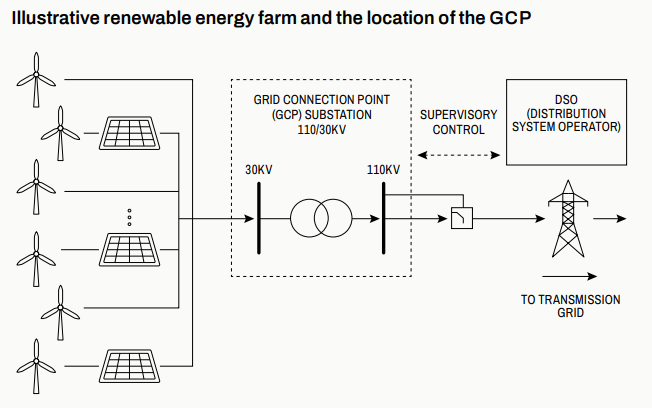
Attackers targeted power substations that connect wind and solar plants to the grid. They focused on industrial devices like controllers, HMIs, protection relays, and network equipment.
“The attack affected the GCP substation, which serves not only as the physi‑ cal grid interconnection point but also as the location through which the DSO performs remote monitoring and supervisory control.” continues the report. “Such substations are typically remotely managed and unmanned, with remote access capabilities commonly employed for operations and maintenance.”

After breaking into the internal network, they mapped the systems and launched destructive actions, including damaging firmware, deleting files, and deploying wiper malware. On December 29, the attack disrupted communication with the grid operator and blocked remote control, but electricity production continued without interruption.
Attackers accessed each facility through exposed FortiGate devices used for VPN and firewall functions, often without multi-factor authentication. Some devices had known vulnerabilities, and reused credentials likely helped attackers move between sites. After gaining admin access, they reset devices to erase evidence and slow recovery. On December 29, they launched automated destructive actions, damaging equipment in sequence. They corrupted firmware on Hitachi RTUs, wiped Mikronika controllers, disabled protection relays, compromised HMI computers with DynoWiper malware, and sabotaged Moxa serial devices.
These actions cut communications and remote control but did not stop electricity production.
Attackers aimed to sabotage a large combined heat and power plant by destroying data with wiper malware. They spent months inside the network, stealing sensitive information and gaining privileged access. When they tried to activate the malware, the plant’s EDR system stopped the attack. On the same day, attackers also hit a manufacturing company in an opportunistic move, using the same wiper malware. The attack was coordinated in timing but not directly linked to the energy targets.
During the attacks, the attackers used previously unknown wiper malware designed only to destroy data, with no ransom demand. Investigators identified two tools: the Windows wiper called DynoWiper and a PowerShell script named LazyWiper. DynoWiper corrupted and deleted files across disks by overwriting parts of them with random data, making recovery impossible. The researchers noted that it had no command-and-control, no persistence, and made no effort to hide. LazyWiper targeted a wide range of file types and partially overwrote files to render them unusable; analysts believe part of it may have been generated using an AI tool. Attackers spread the malware through Active Directory using malicious Group Policy tasks to run it across networks.
CERT Polska found that the attackers used compromised VPS servers and Cisco routers, with infrastructure matching patterns linked to the APT group known as Static Tundra, also tracked as Berserk Bear, Ghost Blizzard, or Dragonfly. The infrastructure closely matches activity previously described by Cisco and the FBI and shows strong links to attacks against the energy sector. While the wiper malware shared some similarities with tools used by Sandworm, the overlap was not strong enough for firm attribution. CERT Polska concluded the attack infrastructure aligns with Static Tundra, marking its first publicly known destructive operation.
Recent reports from ESET and Dragos suggest, with moderate confidence, that a different Russian state-backed group known as Sandworm may be behind the activity.
“Analysis of the infrastructure used in the attack – including compromised VPS servers, routers, traffic patterns, and characteristics of anonymizing infrastructure – shows a high degree of overlap with the infrastructure used by the activity cluster publicly known as “Static Tundra” (Cisco), “Berserk Bear” (CrowdStrike), “Ghost Blizzard” (Microsoft), and “Dragonfly” (Symantec).” concludes the report. “Public descriptions of this actor’s activities indicate a strong interest in the energy sector and capabilities to attack industrial devices, which are consistent with the attacker’s actions observed in this incident. This is, however, the first publicly described destructive activity attributed to this activity cluster.”
It’s worth noting that recent reports from ESET and Dragos attributed the activity with moderate confidence to a different Russian state-sponsored hacking group known as Sandworm.
Follow me on Twitter: @securityaffairs and Facebook and Mastodon
(SecurityAffairs – hacking, CERT Polska)
如有侵权请联系:admin#unsafe.sh