Crypto is often associated with cheap, fast, and borderless transactions. Therefore, finding ourselv 2026-9-10 20:18:9 Author: hackernoon.com(查看原文) 阅读量:23 收藏
Crypto is often associated with cheap, fast, and borderless transactions. Therefore, finding ourselves suddenly paying astronomical fees just for sending a little money seems to make no sense. It may happen, though. One day, you might want to transfer just $5 worth of coins and discover that the network fee costs two or three times more than the payment itself. Yikes. Why does this happen at all?
Well, the thing is that most crypto networks don’t have limitless capabilities. Each block in a blockchain, for example, can only hold a certain number of transactions. For this reason,
Why Do Crypto Fees Become Expensive?
There’s usually a very specific reason plastered across headlines, but in general, it’s because too many people are using the network at the same time. A useful concept here is TPS: transactions per second. Every crypto network and payment processor has its own TPS capacity. Bitcoin (BTC) has 3-7 TPS at the moment. Ether (ETH) processes 15-30 TPS. Polygon offers up to 1,000 TPS; BNB is over 4,000 TPS, and Visa handles over 83,000 TPS.
These figures don't mean that one is better than the other. However, the fewer transactions per second a network can process, the more susceptible it is to fee spikes during periods of heavy demand. It’s a bit like finding a taxi at midnight, after a concert, at the same time as the rest of the attendees, using the same provider. There are only so many cars available, so whoever pays the most will get the ride. That’s how most blockchains work, too.

Bitcoin has experienced this several times, especially before the SegWit update in 2017 and after the
Thanks to various updates and a normalization of activity, those once-so-expensive figures now rarely exceed one dollar. Could something like this happen again with these and other cryptocurrencies? Yes. Their capacity is still not unlimited, and they could become congested again in cases of extreme activity. For people making small payments, those fees can become an unpleasant surprise.
How Can You Avoid Paying More in Fees Than You're Sending?
Maybe you won’t like this one, but the first option is just… patience. Network activity goes up and down, and fees often shrink during quieter periods. It helps that many wallets, including Obyte, display an estimated fee before the transaction is sent —giving users a chance to wait or choose another network.
Another option involves technologies built for cheaper payments. The Lightning Network on Bitcoin and other
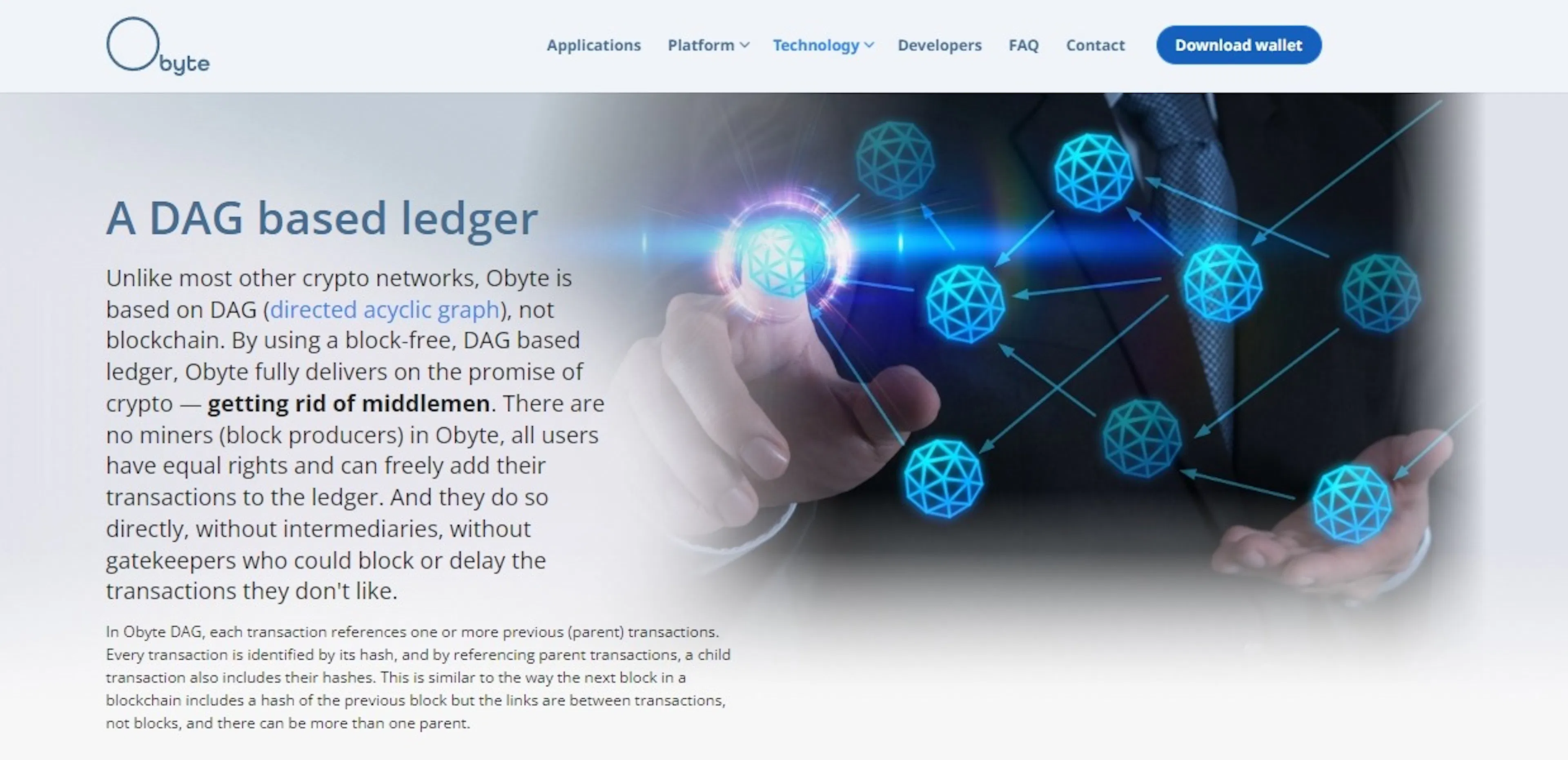
, for its part, uses a Directed Acyclic Graph (
) structure instead of blocks. Its design allows transactions to be added continuously, and transaction speed can increase as network activity grows, up to the network's capacity. Like any distributed network, though, it has bandwidth limits, so congestion and higher fees can still occur during periods of high demand. Outside those periods, fees are often tiny.
The same approach extends to every token inside the Obyte ecosystem, including assets bridged from other networks through
. Tokens such as WBTC, USDC, BNB, and ETH can move through Obyte while benefiting from the network's low transaction costs.
A small payment shouldn’t require a large fee. The good news is that crypto keeps evolving, and many networks are searching for better ways to handle growth. A few of them already let tiny payments stay tiny from start to finish.
Featured Vector Image by Kampus/
如有侵权请联系:admin#unsafe.sh