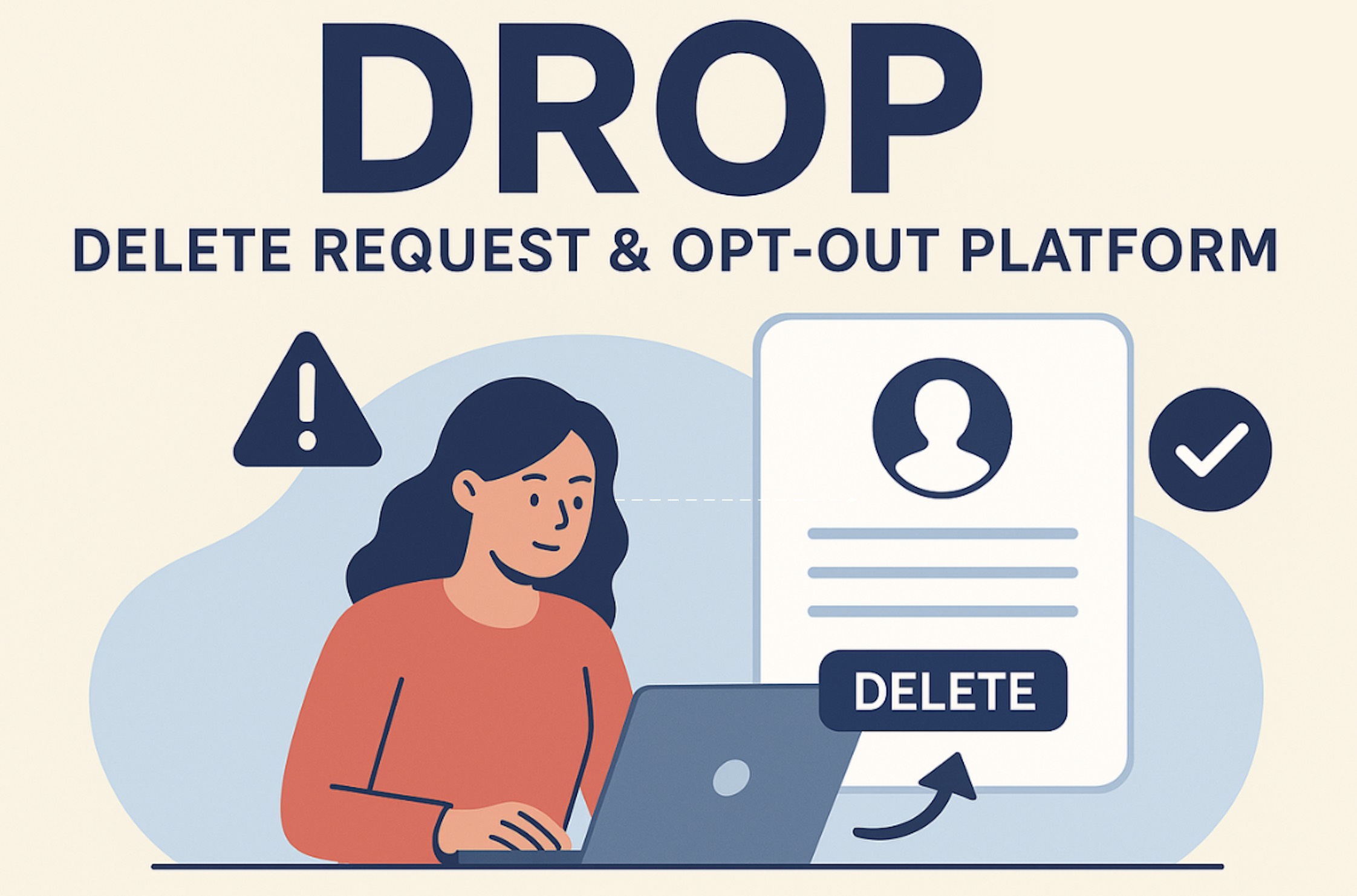
好的,我需要帮用户总结这篇文章的内容,控制在100字以内,并且不需要特定的开头。首先,我会通读整篇文章,抓住主要观点。 文章主要讲的是加州在2026年推出的DROP平台,允许居民删除个人信息。接着讨论了这对数据隐私的影响,特别是对企业认证系统的挑战。 MojoAuth 提供了一种零存储架构,避免存储敏感信息,从而简化合规性。 接下来,我要将这些要点浓缩成100字以内的中文总结。确保涵盖关键点:DROP平台、数据隐私变化、认证危机、MojoAuth的解决方案及其优势。 最后,检查语言是否简洁明了,符合用户的要求。 </think> 加州推出DROP平台允许居民删除个人信息,引发数据隐私变革。文章指出传统认证系统面临合规和安全风险,MojoAuth通过零存储架构消除PII存储,简化全球隐私合规并提升用户体验。 2026-1-5 09:19:45 Author: securityboulevard.com(查看原文) 阅读量:6 收藏
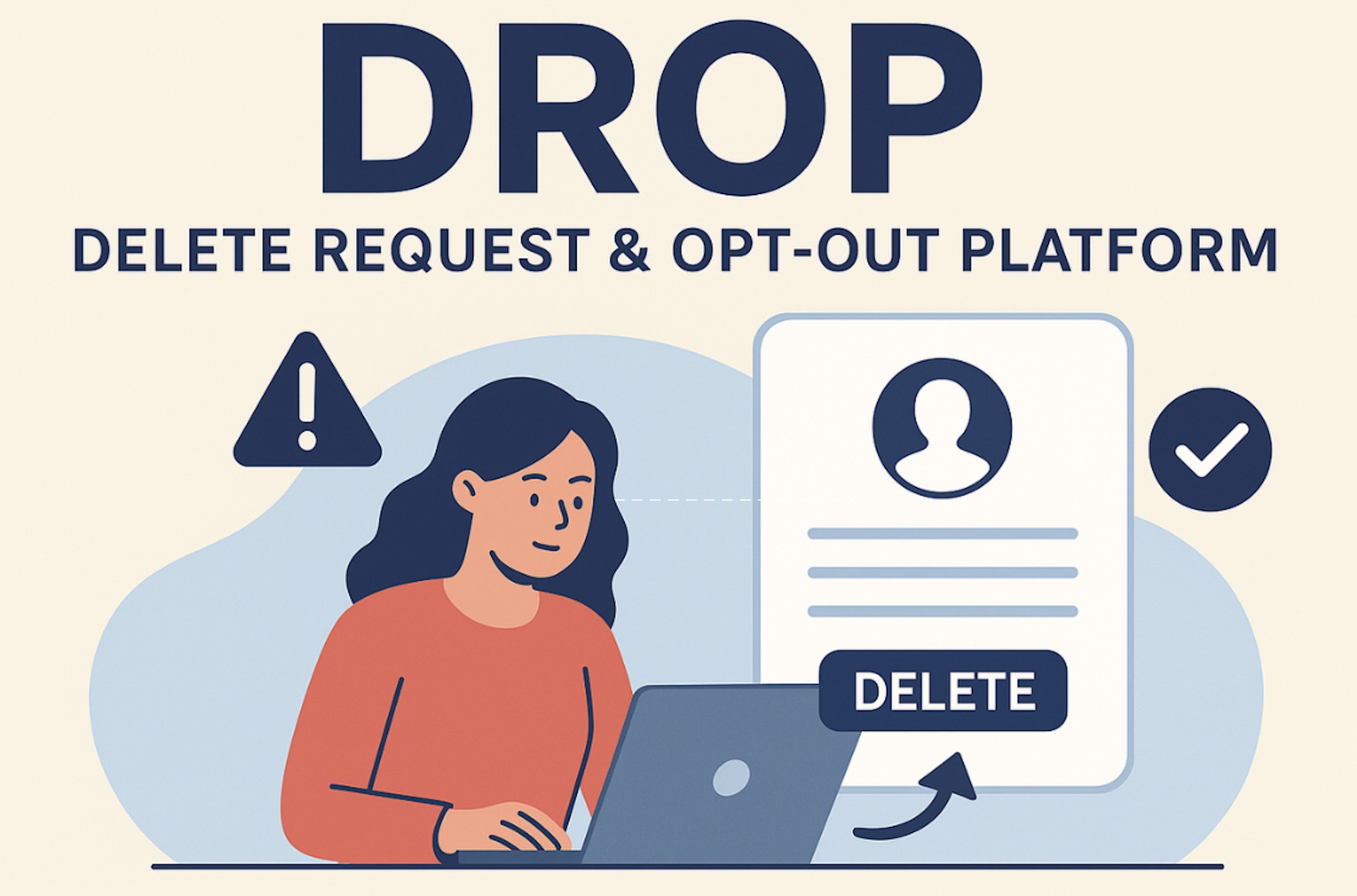
On January 1, 2026, California launched something unprecedented: the Delete Request and Opt-Out Platform (DROP), enabling California residents to request deletion of their personal data from over 500 data brokers with a single click. This first-of-its-kind platform represents a seismic shift in data privacy enforcement—and it's just the beginning.
Starting August 1, 2026, data brokers must process DROP deletion requests every 45 days or face penalties of $200 per request per day. With California's 39 million residents potentially submitting mass deletion requests, non-compliance could cost companies millions in days.
But here's what most B2C companies are missing: DROP isn't just a data broker problem—it's an authentication wake-up call.
The Hidden Authentication Crisis
While data brokers scramble to comply with DROP, consumer-facing companies face their own escalating compliance nightmare around authentication data. Password databases, authentication logs, and user credentials create massive liability exposure that most organizations don't fully understand.
Your Password Database Is a Privacy Time Bomb
Every [password-based authentication system](https://mojoauth.com/blog/best-passwordless-authentication-solutions) stores personally identifiable information (PII) that falls under expanding privacy regulations:
-
GDPR in the European Union mandates data minimization and grants users the right to erasure
-
CCPA in California now requires visible opt-out confirmation starting January 1, 2026
-
20 US states have enacted comprehensive privacy laws affecting 300+ million Americans
-
India's DPDP Act requires 72-hour breach notification and automated deletion with proof
-
Brazil's LGPD, Australia's Privacy Act amendments, and dozens of other jurisdictions impose overlapping requirements
Traditional authentication creates multiple compliance headaches:
Credential Storage Risks
- [Password hashes](https://docs.mojoauth.com/secure-authentication/password-hashing-and-storage/) count as personal data under GDPR Article 4
-
Even encrypted credentials must be disclosed in breach notifications (averaging $4.88M per incident in 2024)
-
"Store now, decrypt later" quantum computing threats put historical encrypted data at risk
Mass Deletion Complexity
-
Each data subject access request (DSAR) costs $1,500+ to process manually
-
Authentication systems touch multiple databases, logs, backups, and third-party systems
-
Proving complete deletion across all systems is technically challenging and audit-intensive
Credential Stuffing Liability
-
26 billion [credential stuffing](https://mojoauth.com/use-cases/credential-stuffing/) attempts occur monthly
-
88% of breaches involve stolen credentials (Verizon 2024 DBIR)
-
Regulators increasingly view weak password hygiene as an aggravating factor in penalties
Regulatory Scrutiny
-
CCPA now requires risk assessments for automated decision-making involving authentication
-
EU AI Act mandates impact assessments for AI-powered fraud detection in auth flows
-
Kentucky, Rhode Island, and Indiana require Global Privacy Control (GPC) recognition
The $4.88 Million Question
According to IBM's 2024 Cost of a Data Breach Report, the average breach now costs $4.88 million—up 10% from 2023. For consumer companies with millions of users, a single authentication breach can be catastrophic:
-
Direct costs: Incident response, forensics, legal fees, credit monitoring services
-
Regulatory penalties: GDPR fines up to €20M or 4% of global revenue; CCPA fines up to $7,500 per violation
-
Customer churn: 65% of breach victims lose trust in compromised organizations
-
Long-term damage: Brand reputation impact lasting years, competitive disadvantage, increased insurance premiums
And here's the reality most companies don't want to face: If you store passwords, you're one breach away from this scenario.
The Multi-Jurisdiction Compliance Nightmare
DROP is just California. B2C companies operating nationally or internationally face an unprecedented regulatory maze:
United States: Patchwork Complexity
California (CCPA/CPRA – Enhanced January 2026)
-
Mandatory opt-out confirmation display on websites
-
Risk assessments for data processing involving 50K+ consumers
-
Cybersecurity audits required based on revenue and data volume (starting 2028)
-
GPC signal recognition mandatory
20 State Laws Active in 2026
-
Kentucky, Rhode Island, Indiana (January 2026)
-
Connecticut, Oregon, Virginia (amended requirements)
-
Each with unique thresholds, definitions, and consumer rights
-
No federal preemption—must comply with all applicable state laws
European Union: Intensifying Enforcement
GDPR (Ongoing)
-
€5.88 billion in fines since 2018
-
Recent penalties: TikTok (€530M), Meta (€479M), Vodafone (€45M)
-
Regulators now target consent UX manipulation and vendor security failures
-
72-hour breach notification with heavy penalties for delays
EU AI Act (Full Enforcement August 2026)
-
High-risk AI systems require mandatory human oversight
-
Authentication fraud detection falls under high-risk categorization
-
Extensive documentation and impact assessment requirements
-
Prohibitions on certain profiling and automated decision-making
Global Expansion
India DPDP Act (Phase 3 – May 2027)
-
Consent manager registration required
-
Verifiable parental consent mechanisms
-
72-hour breach notification
-
Automated deletion with proof of compliance
Brazil LGPD
-
Expanding enforcement actions
-
Similar rights framework to GDPR with local nuances
-
Increasing regulatory capacity and penalty assessments
Australia Privacy Act Amendments (December 2026)
-
Automated decision-making transparency requirements
-
Enhanced consumer rights and enforcement powers
The Coordination Challenge
For a typical B2C e-commerce company with customers in California, the EU, and internationally, compliance requires:
✗ Separate consent management for GDPR opt-in vs. CCPA opt-out
✗ GPC signal detection and processing
✗ Multiple DSAR workflows with varying timelines (GDPR: 30 days, CCPA: 45 days, LGPD: 15 days)
✗ Geo-detection to apply appropriate standards automatically
✗ Risk assessments for California, DPIAs for GDPR, AI impact assessments for EU AI Act
✗ Audit trails proving deletion across all systems including backups
✗ Vendor contracts with AI governance and data processing clauses
Estimated compliance burden: 3-4 dedicated FTE for a mid-sized company, $500K+ in annual compliance costs, constant legal review as regulations evolve.
The MojoAuth Solution: Zero-Store Architecture Eliminates Compliance Liabilities
Here's a radical thought: What if you didn't store authentication credentials at all?
[MojoAuth's MojoShield Zero-Store architecture](https://mojoauth.com/blog/enterprise-data-protection-with-mojoshield-zero-store-eliminating-third-party-breach-risks#introduction-the-hidden-vulnerability-in-your-security-stack) fundamentally eliminates the authentication compliance problem by never storing personally identifiable information (PII) on authentication servers.
How Zero-Store Works
Traditional authentication:
User → Password Submitted → Hash Created → Hash Stored in Database → Database Becomes Breach Target
MojoAuth passwordless:
User → Passwordless Method (Magic Link/Biometric/Passkey) → Cryptographic Verification → NO PII STORED
No password database. No password hashes. No stored credentials. No honeypot for attackers.
Why This Changes Everything for Compliance
DROP Compliance: Simplified
-
No authentication PII to delete = no DROP deletion requests to process
-
While data brokers spend $1,500+ per deletion request, MojoAuth customers have zero authentication data to remove
-
First-party customer data separate from authentication layer
GDPR Compliance: Built-In
-
Data minimization principle satisfied by design
-
No password data to breach-notify under Article 33
-
Right to erasure simplified when no auth credentials exist
-
DPIAs for authentication dramatically simplified
CCPA Compliance: Automatic
-
No sale of authentication credentials (there are none)
-
Opt-out preference signals irrelevant to authentication layer
-
Risk assessment burden reduced
-
Audit trails show zero PII storage
Multi-Jurisdiction: Universal Solution
-
Same architecture satisfies GDPR, CCPA, LGPD, India DPDP, Australia requirements
-
No need for geo-specific authentication systems
-
Single compliance framework scales globally
-
Future-proof as regulations evolve
Real Compliance Benefits
Breach Cost Reduction
-
Average breach cost: $4.88M
-
Authentication breaches using stolen credentials: $4.81M
-
MojoAuth exposure: $0 (no credentials to steal)
Support Ticket Reduction
-
Password reset cost: $70 per incident
-
Average enterprise: 50,000+ annual password resets
-
Savings: $3.5M+ annually for large enterprises
DSAR Processing
-
Manual DSAR cost: $1,500+ per request
-
Authentication DSARs with MojoAuth: Zero PII to retrieve = $100 automated response
-
Time to process: 5-10 days vs. 3-4 weeks
Regulatory Audit
-
Traditional system audit: weeks of documentation, multiple systems to verify
-
MojoAuth audit: "We don't store PII in authentication" + architecture review
-
Audit time reduction: 70%+
Passwordless Authentication: The Complete Compliance Stack
MojoAuth offers [multiple passwordless methods](https://mojoauth.com/products/), each strengthening security while simplifying compliance:
Email Magic Links
One-click authentication via email. No passwords to remember, reset, or breach.
Compliance advantage: Email addresses already in your CRM; authentication layer adds zero new PII.
Email & SMS OTP
Time-based one-time passwords deliver security without permanent credential storage.
Compliance advantage: OTPs expire automatically; no long-term storage of authentication secrets.
WhatsApp Login
Critical for APAC and emerging markets where WhatsApp dominates.
Compliance advantage: Authentication via existing social platform; zero proprietary credential storage.
Passkeys (FIDO2/WebAuthn)
Hardware-backed, phishing-resistant authentication using device biometrics or security keys.
Compliance advantage: FIDO2 certified, zero shared secrets, quantum-resistant roadmap with ML-DSA.
Post-Quantum Security: MojoAuth is preparing quantum-resistant authentication using Module Lattice-based Digital Signature Algorithm (ML-DSA) based on NIST-standardized Crystals-Dilithium, ensuring protection against future quantum computing threats.
Social Login
Federated authentication via Google, Apple, Facebook, LinkedIn, GitHub, Twitter.
Compliance advantage: Offload authentication to identity providers; zero credential management burden.
Biometric Authentication
Native device biometrics (Face ID, Touch ID, fingerprint) for maximum security and convenience.
Compliance advantage: Biometric templates never leave user's device; zero server-side storage.
Industry-Specific Compliance Solutions
E-Commerce & Retail (50% of MojoAuth Customer Base)
Challenges:
-
High transaction volumes mean massive credential databases
-
Cart abandonment from password friction costs 25% of conversions
-
PCI DSS requirements compound authentication security obligations
-
Credential stuffing targets e-commerce platforms (see: Ticketmaster breach)
MojoAuth Solution:
-
One-click magic links reduce checkout friction by 90%
-
Zero stored credentials eliminate PCI DSS authentication scope
-
Bot detection prevents credential stuffing without password vulnerabilities
-
Social login leverages existing consumer accounts
Measurable Impact:
-
15-25% conversion rate increase
-
40% reduction in support tickets
-
Zero authentication breaches
-
Simplified PCI DSS audit scope
Learn more: Passwordless Security for a Seamless Customer Experience
SaaS Companies (20% of Customer Base)
Challenges:
-
Multi-tenant architecture means storing credentials for millions of end users
-
B2B customers demand enterprise SSO and compliance reports
-
Software vendors liable for customer data breaches
-
Need to support SAML, OIDC, and custom identity providers
MojoAuth Solution:
-
Enterprise SSO integration (Azure AD, Okta, Google Workspace)
-
Zero-Store architecture shown on compliance questionnaires
-
Seamless developer experience with well-documented APIs
-
Tenant-level customization for white-label deployments
Measurable Impact:
-
Close enterprise deals faster with compliance documentation
-
Reduce security questionnaire burden
-
Enable rapid multi-tenant deployment
-
Differentiate on security in competitive deals
Learn more: MojoAuth Role in Supercharging Authentication for Scaling Companies
Fintech & Cryptocurrency (10% of Customer Base)
Challenges:
-
Strictest security and compliance requirements
-
Financial regulators scrutinize authentication mechanisms
-
Account takeover leads to direct financial loss
-
Need for step-up authentication for high-risk transactions
MojoAuth Solution:
-
Adaptive risk-based MFA triggers based on transaction context
-
Passkeys provide phishing-resistant authentication
-
Comprehensive audit logs for forensic investigation
-
Hardware security module (HSM) support available
Measurable Impact:
-
Meet SOC 2, ISO 27001, PCI DSS with simplified architecture
-
Reduce account takeover fraud to near-zero
-
Demonstrate best-in-class security to regulators
-
Enable instant step-up authentication without SMS vulnerabilities
Learn more: How MojoAuth Transforms Authentication for Banking, Fintech & Cryptocurrency Exchanges
Healthcare (10% of Customer Base)
Challenges:
-
HIPAA requires strict access controls and breach notification
-
Patient portals store highly sensitive protected health information (PHI)
-
Healthcare is #1 target for credential stuffing (expensive records)
-
Need Business Associate Agreements (BAAs) with vendors
MojoAuth Solution:
-
HIPAA-compliant infrastructure with BAA available
-
Zero-Store architecture minimizes HIPAA breach scope
-
Comprehensive audit logging for HIPAA compliance
-
Support for FERPA requirements in healthcare education
Measurable Impact:
-
Simplified HIPAA breach risk assessment
-
Reduced breach notification scope (no credentials to breach)
-
Audit logs satisfy HIPAA access control requirements
-
Patient satisfaction increases with frictionless login
Learn more: Discover Top IAM Platforms for Secure Access
Implementation: 2-Day Deployment vs. 6-Month DIY Nightmare
The Traditional Authentication Rebuild
Building custom passwordless authentication in-house typically requires:
Development Timeline: 6-12 months
-
Architecture design and security review: 4-6 weeks
-
Core authentication service: 8-12 weeks
-
Multiple method support (magic links, OTP, passkeys, social): 12-16 weeks
-
MFA and risk-based authentication: 8-12 weeks
-
Session management and revocation: 4-6 weeks
-
Admin dashboard and user management: 8-10 weeks
-
Security hardening and penetration testing: 4-6 weeks
-
Documentation and compliance review: 4-6 weeks
Development Cost: $200K-$500K
-
2-3 senior engineers @ $150K-$200K fully loaded
-
Security audit and penetration testing: $30K-$50K
-
Compliance legal review: $20K-$40K
-
Ongoing maintenance: 1 FTE + security updates
Hidden Costs:
-
Opportunity cost of engineering time not building core product
-
Security vulnerabilities in custom implementation
-
Compliance gaps discovered during audit
-
Lack of 24/7 support and SLAs
-
Technical debt accumulation
Compliance Burden:
-
Still storing session data requiring DSAR handling
-
Custom audit log implementation for compliance
-
No pre-built compliance documentation
-
Liability for any security flaws in custom code
The MojoAuth Implementation
Timeline: 2 days for production deployment
Day 1: Setup & Configuration
-
Create MojoAuth account
-
Configure authentication methods (magic link, social, OTP, passkeys)
-
Customize UI to match brand guidelines
-
Set up test environment
Day 2: Integration & Launch
-
Install SDK (JavaScript, React, Angular, Vue, Python, Node.js, PHP, Ruby, Java, Go, .NET)
-
Replace existing authentication calls with MojoAuth APIs
-
Test authentication flows
-
Deploy to production
Cost: Starting at enterprise pricing based on scale
-
Zero setup fees
-
Predictable per-user pricing
-
Volume discounts for enterprise
-
24/7 enterprise support included
Compliance Benefits Included:
-
Pre-built compliance documentation (GDPR, CCPA, HIPAA, SOC 2)
-
Automatic security patches and updates
-
Comprehensive audit logging
-
Regular penetration testing by third-party firms
-
BAAs available for HIPAA customers
Comprehensive Integration Ecosystem
MojoAuth integrates seamlessly with your existing privacy, security, and identity infrastructure:
Consent & Privacy Management
-
OneTrust consent management
-
TrustArc privacy compliance
-
Cookiebot consent tracking
-
GDPR consent workflows and Right to Erasure (RTBF)
-
Privacy preference centers
-
Custom consent APIs
Identity Providers
-
Azure AD / Entra ID
-
Okta Workforce Identity
-
Google Workspace
-
Ping Identity
-
SAML 2.0 providers
-
Custom OIDC providers
-
LDAP/Active Directory
Development Platforms
-
Bubble no-code platform
-
React Native apps
-
Flutter cross-platform
-
WordPress plugins
-
Shopify e-commerce integrations
-
Custom REST APIs with comprehensive documentation
-
Webhooks and real-time events
Cloud Infrastructure
-
AWS Cognito migration path
-
Azure B2C migration path
-
Google Cloud Platform
-
Kubernetes deployment
-
Docker containers
-
Terraform Infrastructure-as-Code
-
CloudFlare Workers
Security & Monitoring
-
Splunk SIEM integration
-
Datadog monitoring
-
Elastic Stack logging
-
PagerDuty alerting
-
AWS CloudWatch
-
Azure Monitor
-
Custom metrics APIs
CRM & Analytics
-
Salesforce CRM
-
HubSpot marketing automation
-
Google Analytics
-
Mixpanel product analytics
-
Segment Customer Data Platform
-
Zendesk support integration
-
Intercom customer messaging
View complete integration documentation
Enterprise-Grade Infrastructure for Scale
MojoAuth supports three deployment models to meet your data residency and security requirements:
Multi-Tenant Cloud
Fully managed SaaS on AWS, Azure, or GCP with automatic global routing:
-
99.99% uptime SLA
-
<500ms latency worldwide
-
Horizontal auto-scaling
-
Managed security patches
-
CDN-accelerated authentication
-
Enterprise-grade isolation
-
24/7 platform monitoring
Single-Tenant Dedicated
Isolated infrastructure with custom configurations:
-
Dedicated cloud resources
-
Regional or multi-region deployment
-
Data residency compliance (EU, US, APAC)
-
VPC/VNet isolation
-
Dedicated database instances
-
Custom domain and branding
-
Priority support SLAs
-
Custom scaling policies
Private Cloud & On-Premises
Maximum control for strict requirements:
-
Deploy in AWS GovCloud, Azure Government, private cloud
-
On-premises data center installation
-
Air-gapped deployment options
-
Complete data sovereignty
-
Hardware security module integration
-
Tailored SLAs and support
-
Dedicated professional services
All infrastructure options include:
-
TLS 1.3 for data in transit
-
AES-256 encryption at rest
-
Customer-managed encryption keys (CMEK) available
-
Automated key rotation
-
Comprehensive audit logging
-
SIEM integration support
-
Threat detection and bot prevention
Security & Compliance: Built-In, Not Bolted-On
MojoShield Zero-Store Architecture
-
Zero PII storage eliminates database breach risk
-
Cryptographic token-based authentication
-
No honeypot for attackers
-
GDPR/CCPA compliance simplified by design
Threat Protection
-
Bot detection and credential stuffing prevention
-
Rate limiting and DDoS protection
-
IP reputation analysis
-
Device fingerprinting
-
Anomaly detection with ML
-
Real-time threat intelligence
Authentication Standards
-
FIDO2/WebAuthn certified
-
OAuth 2.0 and OpenID Connect
-
SAML 2.0 enterprise SSO
-
JWT secure signing with rotation
-
Instant session revocation across all devices
Access Control
-
Role-based access control (RBAC)
-
Attribute-based access control (ABAC)
-
Real-time event logging
-
Comprehensive audit trails
-
Tamper-proof logging
-
Forensic investigation support
Compliance Certifications
-
SOC 2 Type II – Security, availability, confidentiality
-
ISO 27001 – Information security management
-
GDPR – EU data protection compliance
-
CCPA – California privacy compliance
-
HIPAA – Healthcare data protection (with BAA)
-
PCI DSS – Payment security standards
-
FIDO2 – Passwordless authentication certification
The Compliance Advantage: Turning Regulation Into Competitive Edge
While competitors struggle with password liability and compliance complexity, MojoAuth customers gain strategic advantages:
Faster Sales Cycles
Enterprise security questionnaires answered in hours, not weeks:
-
"Do you store passwords?" → "No, zero-store architecture"
-
"How do you handle DSARs?" → "No authentication PII to retrieve"
-
"Last breach?" → "Zero authentication breaches"
-
Compliance documentation pre-built and ready
Lower Insurance Premiums
Cyber insurance costs increasing 50%+ annually for companies with password breaches:
-
Zero-Store architecture demonstrates proactive risk reduction
-
No stored credentials means lower actuarial risk
-
Insurance applications simplified
-
Premium reductions of 20-30% reported by customers
Regulatory Audit Preparation
Annual compliance audits completed in days:
-
MojoAuth audit package includes architecture documentation
-
Pre-mapped compliance controls (SOC 2, ISO 27001, HIPAA)
-
Audit logs export for regulatory review
-
Third-party penetration test reports available
M&A Due Diligence
Authentication infrastructure scrutinized during acquisition:
-
Legacy password systems create deal risk
-
Buyers demand authentication modernization pre-close
-
MojoAuth deployment accelerates due diligence
-
Demonstrated compliance reduces contingent liabilities
Brand Reputation Protection
In the age of massive breaches making headlines:
-
"No passwords stored" becomes marketing message
-
Customer trust increases with transparent security
-
Competitive differentiation on privacy
-
Protection against reputational catastrophe
Future-Proof Architecture
Regulations will only get stricter:
-
Zero-Store architecture satisfies future requirements by design
-
No need to rebuild authentication as laws evolve
-
Post-quantum cryptography roadmap ensures long-term security
-
Continuous compliance as MojoAuth updates for new regulations
Cost-Benefit Analysis: DIY vs. MojoAuth
5-Year Total Cost of Ownership
DIY Custom Authentication:
-
Initial development: $400K
-
Annual maintenance (2 engineers 50%): $200K/year
-
Security audits and penetration testing: $50K/year
-
Compliance legal review: $40K/year
-
Incident response (2 breaches over 5 years): $10M
-
5-Year TCO: $11.8M
MojoAuth Enterprise:
-
Setup: $0
-
Annual subscription (1M users): $250K/year (example pricing)
-
Implementation services: $50K (one-time)
-
Additional compliance support: Included
-
Breach risk: $0 (no credentials to breach)
-
5-Year TCO: $1.3M
Net Savings: $10.5M over 5 years
This doesn't include:
-
Avoided opportunity cost of engineering time
-
Conversion rate improvements from reduced friction
-
Support cost savings from eliminated password resets
-
Faster time-to-market for new features
Action Plan: Navigating DROP, CCPA, and Global Privacy Compliance
Immediate (Q1 2026)
For Companies Using Password Authentication:
-
Audit Your Current Exposure
-
Inventory all authentication databases and logs
-
Calculate DSAR processing costs (multiply expected requests × $1,500)
-
Assess breach risk exposure (average $4.88M)
-
Review California customer percentage (DROP impact)
-
-
Document Compliance Gaps
-
Map authentication data to GDPR, CCPA, state law requirements
-
Identify manual processes that won't scale
-
Calculate current compliance FTE burden
-
List upcoming regulation deadlines (GPC, risk assessments, audits)
-
-
Build Business Case
-
Quantify password reset support costs
-
Estimate breach risk reduction
-
Calculate compliance cost savings
-
Project conversion rate improvements
-
-
Evaluate MojoAuth
-
Review compliance documentation
-
Test authentication flows in sandbox environment
-
Plan integration timeline
Short-Term (Q2 2026)
For Companies Committed to Passwordless:
-
Pilot Implementation
-
Start with low-risk application or user segment
-
Enable magic link or social login alongside existing passwords
-
Measure adoption rates and user satisfaction
-
Collect performance data and user feedback
-
-
Compliance Documentation
-
Update privacy policies to reflect passwordless authentication
-
Prepare DSAR response workflows for simplified process
-
Document security architecture for audits
-
Create customer-facing security messaging
-
-
Internal Training
-
Train support team on passwordless authentication
-
Educate sales team on security and compliance benefits
-
Update security questionnaire responses
-
Prepare regulatory audit materials
-
Medium-Term (Q3-Q4 2026)
For Companies Scaling Passwordless:
-
Full Production Rollout
-
Migrate remaining applications to MojoAuth
-
Deprecate legacy password authentication
-
Communicate security improvements to customers
-
Monitor metrics (support tickets, conversion, security incidents)
-
-
Optimize & Expand
-
Enable additional authentication methods (passkeys, WhatsApp)
-
Implement adaptive risk-based MFA
-
Configure custom authentication flows
-
Integrate with additional identity providers
-
-
Leverage Competitive Advantages
-   Update marketing materials with security messaging

-   Include compliance benefits in sales pitches

-   Publicize zero-store architecture

-   Pursue security certifications enabled by MojoAuth
Long-Term (2027+)
For Industry Leaders:
- Continuous Improvement
-   Stay current with evolving regulations

-   Adopt post-quantum cryptography when available

-   Expand to new markets with confidence in compliance

-   Share security best practices with customers
- Transform Authentication into Business Value
-   Use security as competitive differentiator

-   Build customer trust through transparency

-   Reduce total cost of ownership year-over-year

-   Enable rapid expansion without compliance barriers
Why Consumer Companies Choose MojoAuth
Customer Success Stories
Read Customer case studies: https://mojoauth.com/case-studies/
What Customers Say
"MojoAuth didn't just solve our authentication problem—it eliminated our biggest compliance liability. When California's DROP launched and our competitors scrambled, we had nothing to worry about. Zero stored credentials means zero deletion requests. It's the ultimate compliance hack."
"We were spending $400K annually on password support. MojoAuth paid for itself in 4 months just from eliminated tickets, but the real value is sleeping at night knowing we can't be breached through stolen passwords."
"HIPAA compliance was our biggest concern. MojoAuth's BAA and zero-PII architecture meant we could demonstrate best-in-class security to auditors. We passed our first HIPAA audit with zero authentication findings."
The DROP Wake-Up Call: Time to Act
California's DROP program is just the beginning. Global privacy regulations are accelerating, penalties are increasing, and consumers are demanding better protection. The companies that thrive in this environment will be those that proactively eliminate privacy liabilities rather than reactively responding to regulations.
Password-based authentication is obsolete. It creates security vulnerabilities, compliance nightmares, user friction, and existential business risks. The only question is: will you eliminate these risks before or after your next breach?
MojoAuth offers the fastest, most comprehensive path to passwordless authentication and privacy compliance. With Zero-Store architecture, enterprise-grade security, and built-in compliance across GDPR, CCPA, HIPAA, and global regulations, you can protect your customers, satisfy regulators, and build competitive advantages—all while reducing costs and improving user experience.
The choice is clear. The time is now.
Take Action Today
Schedule Your Enterprise Demo
See how MojoAuth eliminates authentication liabilities and simplifies compliance for companies managing millions of users.
Explore Our Documentation
Review technical integration guides, compliance documentation, and architecture details.
Calculate Your ROI
Use our ROI calculator to quantify the business case for passwordless authentication.
Learn More About Passwordless
Explore our comprehensive resources on authentication best practices and compliance.
About MojoAuth
MojoAuth is the leading provider of passwordless authentication solutions for consumer-facing companies. Trusted by organizations managing 485M+ users, our MojoShield Zero-Store architecture eliminates credential storage, simplifies global privacy compliance, and delivers frictionless user experiences.
With support for magic links, passkeys, biometrics, social login, and WhatsApp authentication, MojoAuth offers the industry's most comprehensive passwordless platform. Our enterprise infrastructure includes 99.99% uptime SLAs, <500ms global latency, and deployment flexibility from multi-tenant cloud to on-premises.
Website: https://mojoauth.com
Documentation: https://docs.mojoauth.com
Blog: https://mojoauth.com/blog
This article reflects the regulatory landscape as of January 2026. Privacy laws continue to evolve. Consult with legal counsel for specific compliance guidance applicable to your business.
*** This is a Security Bloggers Network syndicated blog from MojoAuth - Advanced Authentication & Identity Solutions authored by MojoAuth - Advanced Authentication & Identity Solutions. Read the original post at: https://mojoauth.com/blog/californias-drop-program-changes-everything-how-b2c-companies-can-eliminate-authentication-liabilities-and-meet-global-privacy-compliance-with-mojoauth
如有侵权请联系:admin#unsafe.sh