

Zero Trust has reshaped access cybersecurity. So much so, that it’s become a buzzword feared by industry leaders as they look to differentiate themselves. However, if it ain’t broke, don’t fix it. In fact, when implemented by the right tools, there’s reason to embrace it more than ever.
Zero Trust Network Access (ZTNA) verifies identities, devices, and session posture before anyone steps inside. That solves a big part of the problems facing enterprises today. However, it doesn’t solve all of them. Once a session is established, files can move freely through email, browsers, and collaboration tools. The connection is trusted, yet the content riding on it may not be.
That gap is where attackers thrive. Zero-day payloads hide inside everyday documents and archives, slipping through because they arrive within approved sessions. The result is a paradox: a Zero Trust perimeter guarding who and what connects, with little validation of what those connections carry. Closing that gap requires extending Zero Trust from the network layer to the content layer.
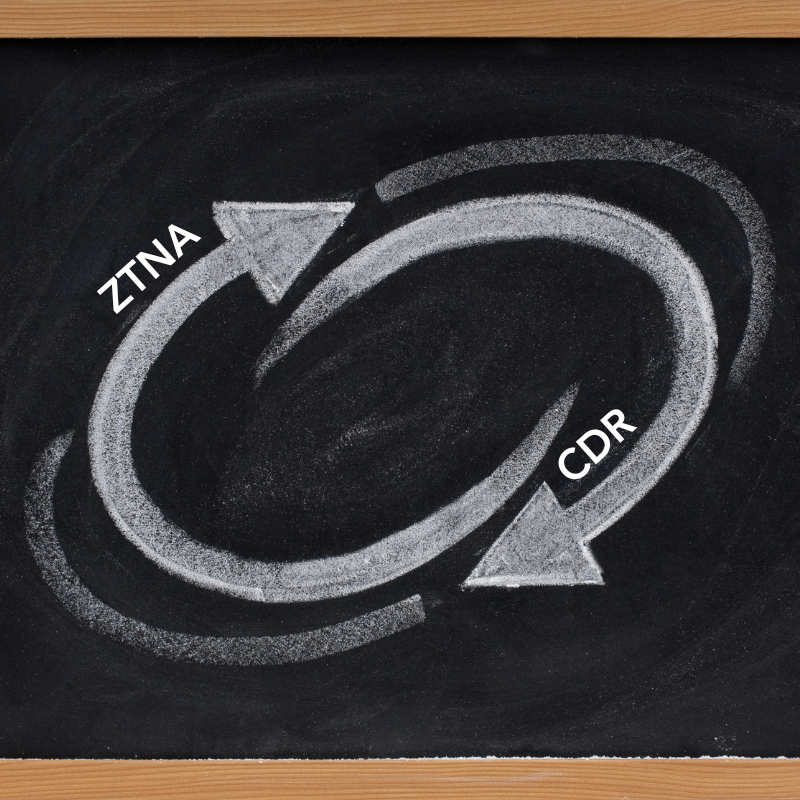
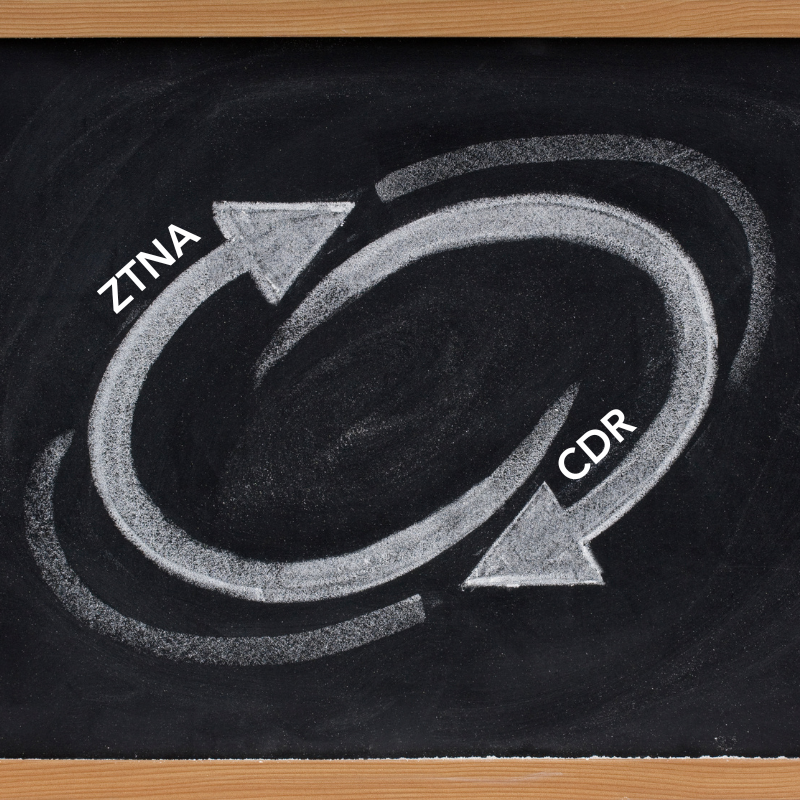
Zero Trust File Security, in the form of Content Disarm and Reconstruction (CDR), finishes the job. ZTNA governs access. CDR governs content. Together, they create a continuous loop of trust where every user, every device, and every file is verified in motion without slowing the business down.
What to Know about ZTNA
ZTNA has established itself as one of the most effective modern access control models. By enforcing segmentation, least privilege, and continuous authentication, ZTNA eliminates the implicit trust that once defined perimeter-based security. It’s an elegant, powerful framework for keeping unauthorized users and compromised devices out.
But that’s where its reach stops. Once a user or device passes its verification checks, the data flowing through those trusted sessions is largely uninspected. Files shared via browsers, collaboration apps, or email can move freely inside this secure channel, bringing along embedded macros, malicious scripts, or hidden payloads that no access control can detect.
The result is a dangerous irony: the more successful an organization becomes at securing access, the more it must ensure that what’s allowed inside is equally trustworthy.
Extending Zero Trust to the File Layer
Closing the Zero Trust gap means extending its principles to the file layer, the point where most attacks ultimately take root. Zero Trust File Security (i.e., CDR) brings that same “never trust, always verify” philosophy to the content itself.
With our Positive Selection® CDR technology, this verification goes beyond detection or blocking. We rebuild the file entirely, transferring only the known-good, verified elements onto a clean, trusted template. The result is a fully functional version of the original file, free from hidden malware, malicious macros, or embedded exploits.
This approach transforms file security from a reactive to a proactive approach that will make CISOs, security architects, and end-users happy by removing downtime, quarantines, false positives, and by consolidating multiple solutions into one. By extending Zero Trust to the content layer, organizations can finally enforce continuous trust across every user, every session, and every file in motion.
That’s the final evolution of Zero Trust: continuous validation not just of who is connecting, but what they bring along. Schedule a demo below to see how our Zero Trust File Security works alongside ZTNA to deliver continuous, frictionless protection across every file and workflow.
The post Closing the Zero Trust Loop: ZTNA + CDR appeared first on Votiro.
*** This is a Security Bloggers Network syndicated blog from Votiro authored by Votiro. Read the original post at: https://votiro.com/blog/closing-the-zero-trust-loop-ztna-cdr/